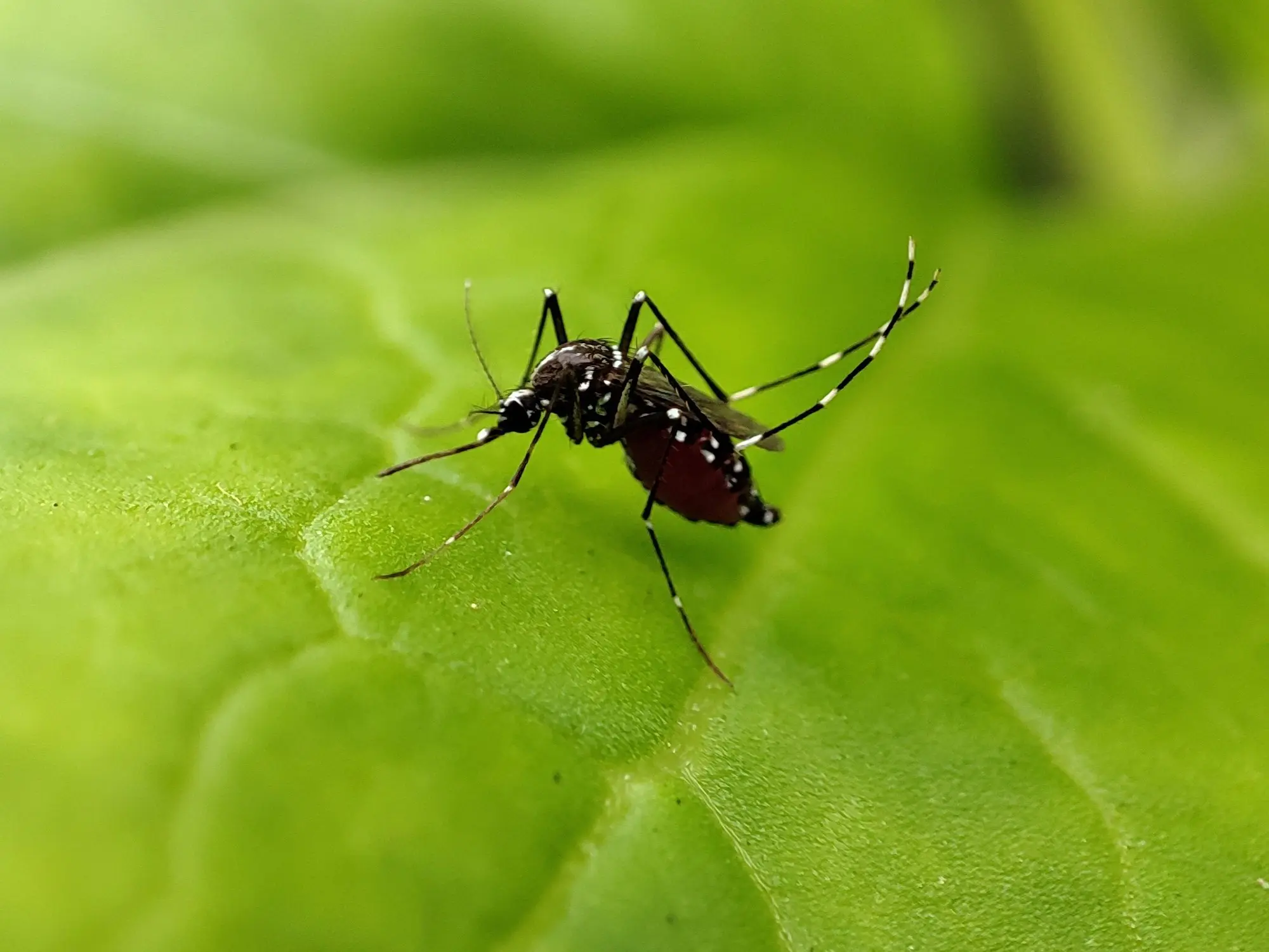
Photo by Wee Hong on Wikimedia Commons, CC BY-SA 4.0, cropped

In short: plants alone won’t keep mosquitoes away, but crushing the leaves releases oils that help for a short time. Grow them in pots near where you sit, and use a skin repellent too.
Nobody likes mosquitoes. They can turn a warm evening on the deck into an itchy night, and in parts of Australia they can also spread diseases such as Ross River virus. So can mosquito repellent plants help?
The honest answer is: a little. The plants below all contain scented oils that mosquitoes dislike, and most are easy to grow in Australian gardens and on balconies. Here’s what they can and can’t do, the 10 best to grow, and which ones are safe if you have cats or dogs.
Do Mosquito Repellent Plants Really Work?
Not on their own. Texas A&M AgriLife Extension notes that most of these plants only release their repellent oils when the leaves are crushed, and a growing plant gives off too little to protect you. Crush or brush a few leaves and rub them on your clothes, or sit near a pot you’ve just brushed past, and you’ll get some short-lived help.
NSW Health recommends the things that work best: use an insect repellent on exposed skin, wear loose, light-coloured long sleeves and long pants, fit insect screens, and empty anything that holds standing water around the house at least once a week. Think of these plants as a pleasant extra, not a replacement.
The 10 Best Mosquito Repellent Plants
1. Citronella grass and lemongrass

Photo by Mokkie on Wikimedia Commons, CC BY-SA 4.0, cropped

Citronella grass (Cymbopogon nardus) is the plant grown for citronella oil, and lemongrass (Cymbopogon citratus) is its close relative from the kitchen. Both are tall, clumping grasses. When you crush the leaves, they release a fresh lemony oil that mosquitoes dislike.
Both love full sun, warmth and regular water, so they do well in most of Australia and in big pots on a sunny balcony. In frosty areas, grow them in pots you can move to a sheltered spot in winter. Lemongrass gives you something for the stir-fry too.
Pets: lemongrass and citronella (Cymbopogon) are toxic to cats and dogs (ASPCA).
2. Lemon-scented gum

Photo by Geekstreet on Wikimedia Commons, CC BY-SA 4.0, cropped

The lemon-scented gum (Corymbia citriodora) is an Australian native and the source of oil of lemon eucalyptus, the plant-based ingredient used in some registered insect repellents. The tree itself won’t keep mosquitoes away, but crushed leaves smell strongly of lemon.
It’s a tall tree with a smooth, pale trunk, so it suits a big garden, not a balcony. Read more about it in our guide to Australia’s top evergreen trees.
Pets: eucalyptus is toxic to cats, dogs and horses (ASPCA).
3. Lemon-scented tea tree

Photo by Raffi Kojian on Wikimedia Commons, CC BY-SA 3.0, cropped

Lemon-scented tea tree (Leptospermum petersonii) is a native shrub from eastern Australia with small white flowers in late spring and leaves that smell of lemon when brushed. It’s tough, grows in sun or part shade, takes a trim well and makes a good screen or hedge near an outdoor seating area.
Pets: ASPCA doesn’t list lemon-scented tea tree, so we can’t say whether it’s safe for pets.
4. Mosquito plant (scented geranium)

Photo by BotBln on Wikimedia Commons, CC BY-SA 3.0, cropped

The “mosquito plant” sold in nurseries is a scented geranium (Pelargonium) with citrus-scented leaves. It doesn’t contain citronella, despite the name, but the leaves release a lemony scent when you rub them. Other scented geraniums smell of peppermint, rose or apple.
Scented geraniums are easy in pots and garden beds, like full sun to part shade, and cope with dry spells once established.
Pets: geraniums (Pelargonium) are toxic to cats and dogs (ASPCA).
5. Lavender

Photo by D2swirl on Wikimedia Commons, CC BY-SA 4.0, cropped

Lavender’s scent is calming for people and unpopular with mosquitoes. Lavandin varieties (Lavandula × intermedia) have more camphor in their oil, so they’re a good pick. Lavender needs full sun and well-drained soil, and it grows well in pots. Find out more in the secret benefits and uses of lavender.
Pets: lavender is toxic to cats, dogs and horses (ASPCA).
6. Rosemary

Photo by Steffen Mokosch on Wikimedia Commons, CC BY-SA 4.0, cropped

Rosemary’s woody scent is great in the kitchen and disliked by mosquitoes. It thrives in hot, fairly dry conditions, so it’s ideal for Australian gardens and sunny pots. Brush past it or crush a sprig when you sit outside.
Pets: rosemary is non-toxic to cats and dogs (ASPCA).
7. Basil

Photo by NeoMeesje on Wikimedia Commons, CC BY-SA 4.0, cropped

Basil’s strong scent says “pesto” to us and “go away” to mosquitoes. All types work, from sweet basil to Thai basil. Basil is a warm-season annual, so grow it in spring and summer in a sunny pot near the back door.
Pets: basil is non-toxic to cats and dogs (ASPCA).
8. Lemon balm

Photo by JLPC on Wikimedia Commons, CC BY-SA 3.0, cropped

Lemon balm (Melissa officinalis) is a soft, leafy herb in the mint family with a strong lemon scent when crushed. It grows easily in sun or part shade, and like mint it can spread, so it’s happiest in a pot.
Pets: lemon balm is non-toxic to cats and dogs (ASPCA).
9. Mint

Photo by Forest and Kim Starr on Wikimedia Commons, CC BY 3.0 us, cropped

All kinds of mint, including peppermint, spearmint and applemint, release scented oils when you crush the leaves. Mint spreads fast, so grow it in a pot. Every time you pick some for the kitchen, you release a bit more scent.
Pets: mint is toxic to cats, dogs and horses (ASPCA).
10. Catnip

Photo by Cbaile19 on Wikimedia Commons (CC0), cropped

Catnip contains nepetalactone, an oil that repels mosquitoes. In a 2001 lab study, researchers found catnip oil repelled mosquitoes better than DEET at the same concentration, but the effect from a growing plant is far weaker. You need to crush the leaves to release it. Catnip is easy to grow in sun and well-drained soil.
Pets: catnip is listed as toxic to cats (ASPCA), mainly causing vomiting and diarrhoea if they eat a lot.
Often Listed, but Not Recommended
These three turn up on lots of mosquito-plant lists, but they’re not the best choice for Australian gardens.
Marigold

Photo by V.Boldychev on Wikimedia Commons, CC BY 4.0, cropped

Marigolds (Tagetes) are often said to contain pyrethrin, but they don’t. Pyrethrum insecticide comes from a different plant, the pyrethrum daisy (Tanacetum cinerariifolium). Marigolds are a useful companion plant in veggie beds, but there’s little evidence they repel mosquitoes.
Bee balm

Photo by Natalka Ukraine (baby-bear.org) on Wikimedia Commons, CC BY 4.0, cropped

Bee balm (Monarda) has scented leaves and is loved by bees and butterflies, but it’s a northern-hemisphere perennial that isn’t widely grown here, and there’s little evidence it keeps mosquitoes away.
Floss flower

Photo by C T Johansson on Wikimedia Commons, CC BY 3.0, cropped

Floss flower (Ageratum houstonianum) has fluffy purple blooms, but it has become a weed in parts of eastern Australia, so it’s best left out of the garden.
Pet-Safe Mosquito Repellent Plants
Many of the best-known mosquito plants are toxic to pets, so check the list before you plant. This table follows the ASPCA plant list.
“Not listed” means ASPCA has no entry, so we make no claim either way. If you think your pet has eaten a toxic plant, call your vet or the Animal Poisons Helpline (1300 869 738) straight away.
For more ideas, see our lists of 15 pet-safe flowers for cats and dogs and cat-friendly flowers, and the plants to avoid in deadly beauties: 10 flowers to handle with care.
Growing Mosquito Plants on a Balcony or Patio
Pick big pots. Lemongrass and citronella need a pot at least 40 cm wide; herbs are happy in 25–30 cm pots.
Give them sun. Most of these plants need at least six hours of direct sun a day.
Group them where you sit. Put the pots beside chairs or the outdoor table, and brush or crush a few leaves when you head outside.
Protect tender plants in winter. In frosty areas, move lemongrass, citronella and basil to a sheltered spot, or treat basil as a summer annual.
Don’t let saucers hold water. A saucer full of water is a perfect mosquito nursery, so tip it out every few days.
Want something green for the patio? Browse our potted plants, or our pet-friendly flowers if you share your home with a cat or dog.