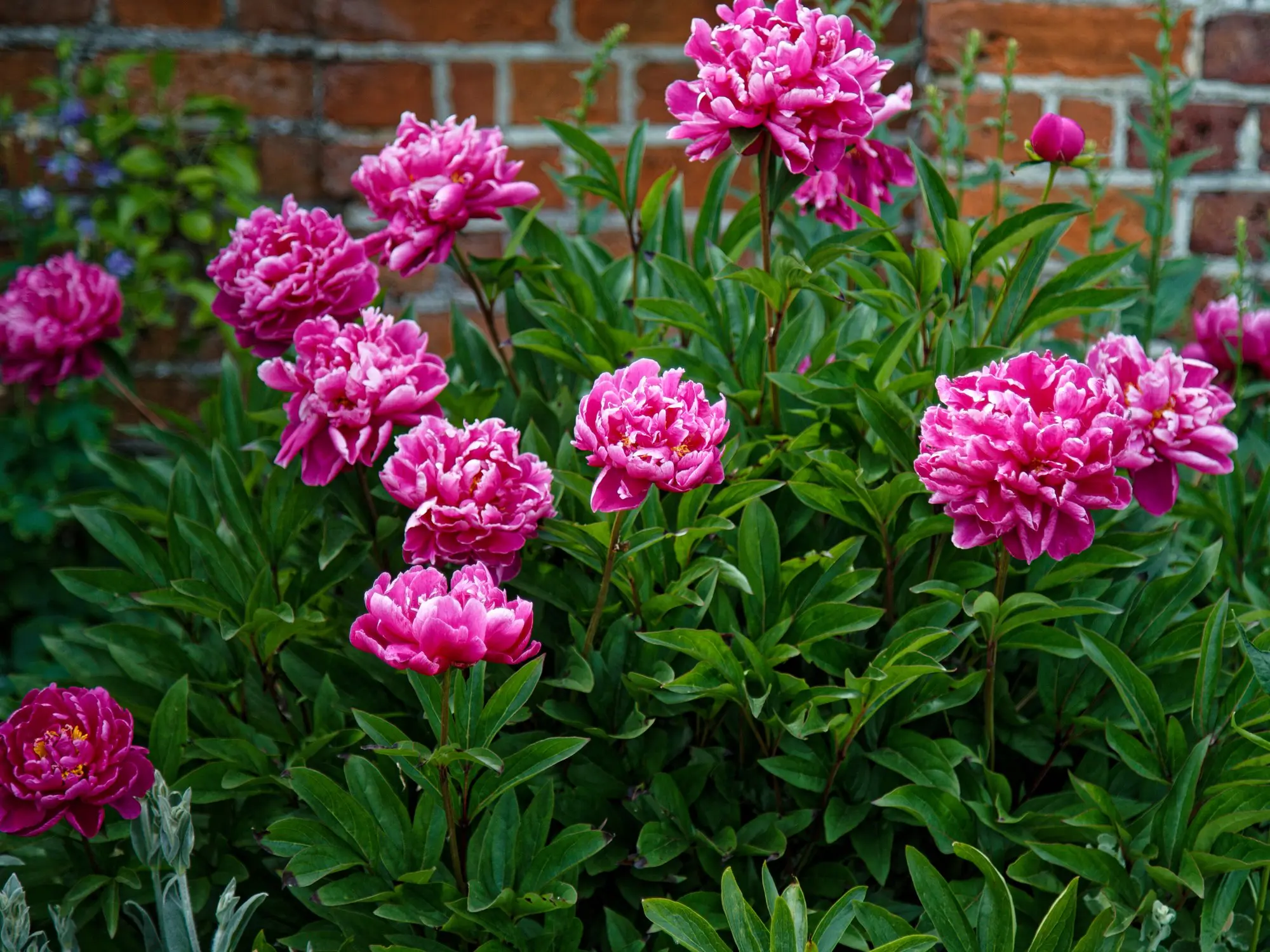
In short: peony season in Australia runs from late October to December and peaks in November in Victoria and Tasmania. This guide covers how to choose, care for and grow peonies, the main types and colours, and where to see them.
Peonies are some of the most breathtaking flowers you can grow, admired for their lush, romantic blooms, soft fragrance, and timeless charm. In Australia, their short but spectacular flowering period makes them even more special, especially in Melbourne, Tasmania and other cool-climate areas, when gardens, markets, and florists burst with vibrant blossoms.

If you’re an Australian gardener eager to grow your own peonies or simply want to know when and how to enjoy them, this complete guide will take you through their history, types, growing requirements, and care tips.
The History and Symbolism of Peonies
The story of the peony stretches back thousands of years, weaving together mythology, medicine, and cultural tradition. This iconic flower has roots in Asia, Europe, and North America, where different societies cultivated and revered it for its beauty, resilience, and healing properties.
Ancient Origins
Many people often consider China the birthplace of the cultivated peony. Records show that people grew peonies as early as 1,000 BCE. They were valued for their medicinal qualities before they became symbols of wealth and imperial power. The Tang dynasty (618–907 CE) was particularly important for the flower’s cultural rise, when peonies adorned palace gardens and became celebrated in art, poetry, and literature.
Greece and Rome also cherished peonies. According to Greek mythology, the flower takes its name from Paeon, a physician to the gods, who used peony roots to heal wounds. To protect him from the jealousy of his teacher, Asclepius, Zeus transformed Paeon into a peony flower. In Roman times, people used peonies to treat headaches, asthma, and even ward off evil spirits.
North America has its own native peony species, though gardeners cultivated them less widely compared to Asian and European varieties. Indigenous communities valued their practical and medicinal uses.
Symbolism Across Cultures
China: Known as the “king of flowers,” the peony represents honour, prosperity, and good fortune. It became a national emblem and continues to be one of the most celebrated flowers in Chinese festivals and art.
Japan: Introduced from China, peonies symbolise bravery and honour, often depicted alongside lions in traditional Japanese artwork as a balance of beauty and strength.
Europe: During the Middle Ages and Renaissance, peonies became prized in monastery and cottage gardens, not just for their ornamental value but also for their supposed healing powers. By the Victorian era, lovers often exchanged them as symbols of romance and bashfulness.
Modern Symbolism: Today, peonies remain globally associated with romance, prosperity, resilience, and beauty. They are particularly popular for weddings, anniversaries, and celebrations where abundance and good fortune are themes.
Peonies in Art and Culture
Peonies are immortalised in countless works of art. Classical Chinese scroll paintings depict peonies as emblems of nobility. In Europe, Baroque and Rococo artists frequently included them in still-life paintings to symbolise fleeting beauty. In modern times, peonies feature in everything from fashion prints to luxury branding, continuing their legacy as flowers of elegance and grace.
Peonies in Australian Culture
In Australia, peonies have become a symbol of seasonal beauty and celebration. Their relatively short blooming window, typically from late October to late November, makes them highly sought after each year – particularly during peony season in Melbourne, when florists, markets, and wedding planners eagerly await their arrival.

- Weddings and Events: Australian couples often choose peonies for bridal bouquets and arrangements. It is because of their romantic symbolism and lush petals. Their seasonal availability also makes them a statement flower that marks a spring celebration as truly special.
- Floristry and Gifting: In Melbourne, Sydney, and Tasmania, peonies are viewed as a luxury bloom. Fresh Peonies are an elegant gift, often associated with milestone birthdays, anniversaries. It also serve as a gesture of love and appreciation.
- Garden Trends: Increasingly, home gardeners across southern Australia are planting peonies not only for their beauty but also for the connection to global floral traditions. People see growing them as a way of bringing a little piece of European romance and Asian symbolism into Australian backyards.
By combining their ancient cultural heritage with their modern role in Australian life, peonies stand as both timeless and contemporary, linking gardeners here with traditions that span continents and centuries.
Types of Peonies
1. Herbaceous Peonies

These are the classic peonies most people imagine, soft-stemmed plants that die back completely to the ground in winter and re-emerge in spring. They usually grow 60–100 cm tall, producing large, fragrant flowers in shades of pink, white, red, and sometimes coral or yellow. Typically bloom in late spring to early summer, depending on climate and variety. They need cold winters to thrive, making them ideal for Victoria, Tasmania, the Southern Highlands of NSW, and cooler parts of South Australia. You should plant them with their tubers just below the surface (too deep and they won’t flower).
Popular Varieties in Australia:
- Sarah Bernhardt – Perhaps the most famous peony worldwide, adored for its soft pink, double blooms. A staple in Melbourne florists during peony season.
- Duchesse de Nemours – Pure white flowers with a delightful fragrance, popular in wedding arrangements.
- Karl Rosenfield – Striking, large double blooms in a rich crimson red.
- Coral Charm – Known for its coral-pink colour that fades to a softer peach as it ages.
- Shirley Temple – Pale blush blooms that open almost white, named after the beloved actress.
Herbaceous peonies are the most commonly grown in Australia, both in private gardens and on commercial flower farms.
2. Tree Peonies (Paeonia suffruticosa)

Unlike herbaceous peonies, tree peonies are woody shrubs that keep their structure year-round. They grow taller, often up to 1.5–2 metres, and produce larger flowers, sometimes up to 25 cm across. The blooms can be single, semi-double, or fully double, in colours ranging from white and pale pink to deep purples and yellows. They flower earlier than herbaceous varieties, often in mid-spring.
Tree peonies are more delicate than herbaceous types and require protection from harsh afternoon sun and strong winds. They benefit from dappled shade in hotter Australian regions. They are less common because they’re slower to establish and more expensive to buy, but once established, they can live for decades.
Popularity in Australia: While less common in everyday gardens, tree peonies are treasured by collectors and specialist gardeners. Some boutique farms and nurseries in Victoria and Tasmania grow limited numbers for enthusiasts. Their rarity and exotic appearance make them a prized plant.
3. Itoh or Intersectional Peonies
Itoh peonies are a hybrid cross between tree and herbaceous peonies, developed in the mid-20th century by Japanese breeder Toichi Itoh. They combine the best qualities of both parents: strong stems that hold flowers upright, long blooming periods, and a wide range of colours (including yellows and apricots rarely seen in other peonies).
They bloom in late spring to early summer, overlapping with herbaceous peonies. Their flowers can last longer, often extending the peony season in gardens. Like herbaceous peonies, Itoh peonies die back in winter but regrow each spring. They’re hardy and easier to grow than tree peonies, with excellent disease resistance.
Popular Varieties in Australia:
- Bartzella – A vibrant, lemon-yellow variety, famous worldwide and grown successfully in southern Australian gardens.
- Cora Louise – White to pale lavender blooms with deep purple centres.
- Canary Brilliants – A semi-double peony with apricot-pink petals that fade to cream.
- Morning Lilac – Large, semi-double purple blooms with golden centres.
In Australia, Itoh peonies are growing in popularity because they offer a broader colour palette and strong garden performance. This makes them perfect for gardeners looking for something beyond the traditional pinks and reds.
Which Peonies Are Best for Australian Gardens?
- Herbaceous peonies remain the most reliable and widely grown, especially for cut flowers and seasonal displays during peony season in Melbourne.
- Itoh hybrids are quickly gaining popularity for their unique colours, long-lasting blooms, and robustness in Australian conditions.
- Tree peonies are less common but appeal to collectors who enjoy their exotic beauty and are willing to wait years for the plants to establish fully.
Growing Peonies in Australia: A Complete Guide
Peonies may have gained a reputation for being difficult to grow, but in reality, they thrive beautifully in the right conditions. Australian gardeners in cooler regions such as Victoria, Tasmania, the Southern Highlands of New South Wales, and parts of South Australia can enjoy spectacular success with these flowers. Their needs are straightforward once you understand their preferences for climate, soil, and seasonal care.
Climate and Location
Peonies require a distinct period of cold in winter to set their buds, which is why tropical or subtropical climates do not suit them well. They perform best in areas that experience frosty winters and mild springs, making regions such as Melbourne, Ballarat, Daylesford, and much of Tasmania ideal. In these locations, the flowers receive the natural chilling they need to bloom heavily in spring.
When selecting a site in the garden, it is important to choose a position that offers plenty of sunlight. At least six hours of direct light per day is recommended. Although in regions with very hot summers, some afternoon shade can help protect the foliage and blooms. Peonies appreciate open areas with good air circulation, which reduces the risk of fungal diseases.
Soil Preparation
Good soil preparation is critical to the success of peonies. These plants prefer fertile, well-drained ground with a neutral to slightly alkaline pH, ideally between 6.5 and 7.5. In heavy clay soils, gardeners must improve drainage before planting, as peonies dislike waterlogged conditions. Gardeners often achieve this by digging in organic matter, such as compost or by adding gypsum to break down clay. For particularly challenging soils, raised beds and well-prepared borders provide the perfect alternative, allowing excess moisture to drain away easily.
Planting Peonies
The best time to plant bare-root peonies in Australia is during autumn or early winter. This gives the roots time to establish themselves before spring growth begins. To plant, dig a wide hole and loosen the soil at the base, enriching it with compost or well-rotted manure. The tuber should be placed with its “eyes” (the small pink or red buds that will develop into shoots) facing upwards. For herbaceous varieties, the eyes should be covered with only three to five centimetres of soil; planting them too deeply can delay or even prevent flowering. After planting, water the area well to help the soil settle around the roots.
Watering Peonies

Peonies appreciate consistent watering during the growing season, but they do not tolerate soggy soil. A deep soak once a week is generally sufficient, though this should be increased during dry periods. Mulching around the base of the plant helps to retain soil moisture and regulate temperature, but the crown itself should remain uncovered to avoid the risk of rot. Overwatering is a common mistake among new growers and can quickly lead to problems.
Fertilising Peonies
Like many perennials, peonies respond well to seasonal feeding. In early spring, when new shoots begin to emerge, a balanced slow-release fertiliser or a layer of compost will encourage strong growth. After flowering, a fertiliser higher in potassium is recommended, as this strengthens the roots and sets the plant up for the following year. Excess nitrogen should be avoided, since it produces abundant foliage at the expense of flowers.
Staking and Support
Because peonies produce large, heavy blooms, their stems may struggle to hold the weight upright, particularly after rain. To prevent bending or breakage, many gardeners provide support in the form of stakes, wire frames, or purpose-made peony rings. Installing supports early in the season allows the plant to grow naturally through them, keeping the display tidy and elegant once the flowers appear.
Pruning and Maintenance
Seasonal pruning depends on the type of peony. Herbaceous varieties should be cut back to ground level once the foliage has died down in late autumn. This not only tidies the garden but also helps prevent the build-up of fungal diseases. Tree peonies, on the other hand, should not be cut back to the ground. Instead, only remove dead or damaged wood after flowering, allowing the shrub’s woody structure to remain intact year-round. In both types, spent blooms should be removed after flowering to maintain plant health and redirect energy back into the roots.
Pests and Problems
Peonies are generally hardy, long-lived plants, but like all perennials, certain pests and diseases can affect them. Recognising the signs early and applying preventative care will keep them healthy and productive for many years.
Ants

One of the more curious aspects of peonies is the frequent appearance of ants crawling over their buds. Many gardeners mistake them for pests, but in fact, they are harmless. The ants are drawn to the sweet nectar produced by the unopened buds and play no role in helping the flowers to open, as is sometimes believed. While they can be a nuisance indoors if cut peonies are brought in without rinsing, they cause no damage to the plant itself and can be safely ignored.
Botrytis Blight
The most significant problem for peonies in Australia is botrytis blight, a fungal disease that flourishes in cool, damp conditions. It appears as grey, fuzzy moulds on leaves, stems, and buds, often causing buds to turn brown and fail to open. This disease is particularly prevalent in wet springs when airflow around the plants is poor. To minimise the risk, gardeners should plant peonies with adequate spacing, avoid overhead watering, and promptly remove and dispose of any affected foliage. In severe cases, fungicide sprays may be necessary, although good cultural practices usually provide adequate control.
Slugs and Snails
Another issue commonly encountered is damage from slugs and snails, especially when young shoots emerge in early spring. The tender new growth attracts these pests, and they can cause significant disfigurement. Regular checks in the evening or after rain, combined with barriers, traps, or pet-safe slug pellets, will help protect the plants during this vulnerable stage.
Powdery Mildew
Although less common, peonies may also suffer from other fungal diseases such aspowdery mildew, which appears as a white coating on leaves, and leaf spot, which causes dark blotches that weaken the plant over time. Removing affected leaves, improving air circulation, and avoiding overly humid conditions are the best defenses against these problems.
Root rot
Root rot can occur if peonies are planted in poorly drained soil. The crowns and roots may begin to rot, leading to stunted growth and eventual plant collapse. To prevent this, always plant peonies in free-draining soil, keep crowns shallow, and never bury them under heavy mulch. c
Thrips or Aphids
Insects are rarely a major threat, but on occasion, thrips or aphids may attack peony flowers and foliage, sucking sap and leaving behind distorted growth. A strong jet of water, insecticidal soap, or the introduction of beneficial insects such as ladybirds can help keep populations under control.
Environmental stress can also cause problems. Peonies that fail to flower often suffer from gardeners planting them too deeply, growing them in too much shade, or moving them too frequently. They dislike disturbance and may take two to three years to settle after being transplanted. Lack of winter chill in warmer regions can also reduce flowering, which is why peonies are best suited to the cooler parts of Australia.
Preventing Problems: The Key to Healthy Peonies
Although peonies can occasionally fall victim to pests or fungal diseases, most issues are easily avoided with the right approach to planting and care. Prevention is far more effective than cure. A few simple practices will ensure that your plants remain vigorous and productive for decades.
The first step is choosing the right site
Peonies thrive in cool to temperate climates, where winter provides the necessary chill to trigger bud formation. They dislike being cramped, shaded, or crowded by other plants, so placing them in a sunny, open spot with plenty of space for airflow is essential. Good air circulation alone reduces the likelihood of fungal diseases, which are among the most common problems faced by Australian gardeners.
Soil preparation is equally important


Peonies demand well-drained, fertile ground; heavy clay or poorly drained soil can quickly lead to root rot and decline. By enriching the soil with compost, ensuring neutral to slightly alkaline conditions, and avoiding overly wet areas, gardeners can set their plants up for long-term success.
Watering also requires balance
Peonies prefer deep, consistent watering during the growing season, but they cannot tolerate “wet feet.” Allowing the soil to dry slightly between waterings helps prevent rot and encourages healthy root development. Mulching is useful for conserving moisture and regulating temperature, but mulch should never cover the crown of the plant, as this invites rot and fungal growth.
Seasonal maintenance plays a big role in prevention
Clearing away dead foliage in autumn and cutting back herbaceous varieties to the ground removes potential breeding grounds for disease. Tree peonies should be tidied by pruning only dead or damaged wood, while ensuring the structure of the shrub remains intact. Regularly deadheading spent blooms not only keeps the garden tidy but also directs energy back into the roots, preparing the plant for the following year’s display.
When these good gardening habits are put into practice, peonies become remarkably easy to care for. Unlike more delicate perennials, they are hardy, resilient, and long-lived. A well-placed peony can continue to flower for 50 years or more without needing to be lifted or divided. For Australian gardeners, this means that once established, peonies will reward you year after year with spectacular, trouble-free blooms that make the short peony season all the more magical.
Peonies in Australia: When is Peony Season?
One of the most enchanting moments in the Australian gardening calendar is peony season, which usually begins in late October and extends through November. For just a few precious weeks each year, gardens, farms, and markets across the cooler regions of southern Australia erupt into colour, offering gardeners and flower lovers a glimpse of these blooms at their very best.
Peonies require a significant period of winter chill to set their buds, which is why they flourish only in particular parts of the country. In Victoria, the combination of frosty winters and mild, sunny springs provides ideal growing conditions.
Melbourne and surrounding regions such as Ballarat, Daylesford, and the Macedon Ranges are especially renowned for their thriving peony displays, both in private gardens and on commercial flower farms. During this period, Melbourne’s markets and florists are flooded with fresh bunches of peonies, creating a sense of excitement that marks the arrival of spring in the city.
Further south, Tasmania has become a powerhouse of peony production in Australia. The island’s cool, temperate climate offers near-perfect conditions for the plants, and many Tasmanian farms grow peonies commercially for domestic florists and even export markets. The long, cold winters in Tasmania mean that peony blooms are particularly robust, often with exceptional colour and size. For visitors, local farms sometimes open their gates to the public, allowing people to walk through rows of flowering plants and pick their own bunches, an experience that has become a highlight of the spring season.
In New South Wales, the Southern Highlands also provide reliable conditions for peonies. The cooler air and higher elevation make it possible for gardeners and small-scale growers to cultivate peonies successfully. These regional pockets extend the joy of peony season beyond Melbourne and Tasmania, making the flowers available to a wider audience.
Why Peony Season Is So Special
What makes peony season special is how short it is. Unlike roses or chrysanthemums, which bloom over many months, peonies appear for only a few weeks each year. For many Australians, buying or growing peonies has become a spring ritual, and weddings, events and family gatherings often feature them during these weeks. Whether you visit a farm, pick up a bunch at a market or admire your own plants, it’s a reminder of nature at its most fleeting.
Where to See and Buy Peonies
Open days change every year, so check each farm’s website or booking page before you go. These farms have confirmed their 2026 dates:
Farms in Victoria
Spring Hill Peony Farm (Kyneton) opens for its 2026 season from 12 to 22 November.
Romswood Peony Farm (Kerrie, Macedon Ranges) holds peony picking days on 18 and 22 November 2026. Tickets must be booked in advance.
Farms in Tasmania
Tasmania’s cool climate makes it ideal for peonies, and its farms supply florists around the country.
Earthenry Flower Farm (Lower Snug, south of Hobart) offers peony picking from late October to late November.
Richmond Peonies (Richmond, near Hobart) holds pick-your-own open days on 21 and 28 November 2026.
New South Wales
The Southern Highlands and other NSW tablelands have the winter chill peonies need, and some small growers there supply Sydney florists during the short season.
Markets and Florists
For those who cannot travel to farms, local markets and florists, such as Flowers Across, provide an easy way to enjoy peonies during their fleeting season.
The Melbourne Flower Market (Epping) is the central hub for wholesale floristry, where fresh bunches of locally grown peonies arrive in abundance throughout late October and November. Retail shoppers, however, can also enjoy peonies at the Queen Victoria Market, where stalls brim with colourful blooms every spring.
In Tasmania, the Hobart Farm Gate Market is a highlight, with growers selling freshly cut flowers directly to the public. Other regional markets in Launceston and Devonport also carry peonies at the height of the season.
In Sydney, the Sydney Flower Market at Flemington is open to the public early in the morning (closed Sundays), and florists across the city stock peonies during November, sourced mainly from Victoria, Tasmania and the Southern Highlands.
Festivals and Events
Peony farms across Victoria and Tasmania host Peony Picking Days, where visitors can walk among the blooms, take photographs, and pick their own bunches to take home. These events are growing in popularity, becoming must-visit attractions for flower enthusiasts and photographers alike.
Beyond farm visits, peonies are also featured in spring garden festivals. Spring open-garden events in cool-climate regions such as the Macedon Ranges and Tasmania often include peonies in November. These events not only showcase the flowers but also celebrate the joy and rarity of the season.
With farms, markets, and festivals all celebrating the bloom, peony season and beyond has become an eagerly awaited event for gardeners, florists, and flower lovers across Australia. Whether it’s wandering through fields in the Macedon Ranges, browsing Hobart’s weekend markets, or simply picking up a bunch from your local florist, there are countless ways to experience the fleeting splendour of peonies.
Caring for Cut Peonies
Peonies make excellent event flowers because of their dramatic size and presence. For weddings or special occasions, florists often condition the blooms by storing them in a cool room or fridge and carefully timing when the buds are brought into warmth so they open just in time. Gardeners can use the same trick at home, cutting buds and storing them wrapped in paper in the fridge for up to a week before rehydrating them in water.
Peonies are not only stunning in the garden but also among the most coveted cut flowers in the world. Their large, lush blooms and sweet fragrance make them favourites for florists, brides, and anyone who wants to bring a touch of elegance indoors. With proper care, peonies can last up to a week or more in a vase, making them one of the longest-lasting seasonal flowers.
The best time to buy or cut peonies is when the buds are still tight but beginning to show colour. At this stage, sometimes called the “marshmallow stage,” the petals are soft to the touch, but the flower hasn’t yet opened. Harvesting or purchasing them at this point ensures you’ll enjoy the magical process of the blooms unfurling in your home, while also extending vase life considerably.
Things to remember when bringing Peonies at home
Once you bring your peonies inside, it’s important to prepare them correctly. Trim the stems at a sharp angle to maximise water uptake and place them immediately in a clean vase filled with fresh, cool water. Peonies are thirsty flowers, so keeping them well hydrated is essential. To maintain freshness, change the water every two days and recut the stems each time. A little floral preservative or even a teaspoon of sugar and a drop of vinegar can help keep the blooms looking vibrant for longer.
Placement in the home also matters. Keep vases of peonies away from direct sunlight, heaters, or draughts, as these will cause the flowers to wilt prematurely. They also prefer a cooler environment, so a shaded table or benchtop away from appliances is ideal. If you want to slow down the opening of buds, you can even place the vase in the fridge overnight, giving you a few extra days to enjoy them.
One common concern is bringing ants indoors along with your flowers, since ants are naturally attracted to peony buds in the garden. To prevent this, simply give the stems a gentle shake or rinse the blooms lightly under cool water before arranging them in a vase.
Quick Steps to Keep Cut Peonies Fresh
- Buy or cut peonies at the “marshmallow stage,” when buds are soft but not fully open.
- Trim stems on a sharp angle and place them immediately in cool, fresh water.
- Change the water every two days and recut the stems to maximise hydration.
- Keep vases away from direct sunlight, heaters, and draughts.
- Rinse blooms gently before bringing them indoors to avoid ants.
- Store buds in the fridge if you want to delay opening for special occasions.
Are Peonies Safe for Pets?
Peonies are toxic to cats, dogs and horses (ASPCA), mostly causing vomiting and diarrhoea. Keep vases out of reach of curious pets. If you think your pet has eaten a toxic plant, call your vet or the Animal Poisons Helpline (1300 869 738) straight away.
Peony Colours and Meanings
One of the reasons peonies are so admired around the world is their extraordinary colour range. Each shade carries its own symbolism, which makes these flowers not only beautiful in appearance but also meaningful in the messages they convey.
Pink Peonies
Pink peonies are perhaps the most romantic of all, symbolising love, affection, and admiration. They are a favourite for weddings and anniversaries, often chosen for bridal bouquets to express young love and happiness. In Chinese culture, pink blooms are considered particularly lucky, thought to attract prosperity and romance. In Australia, varieties such as Sarah Bernhardt, Shirley Temple, and Monsieur Jules Elie dominate both gardens and flower markets during peony season in Melbourne, making them widely recognised and cherished.
White Peonies

White peonies are associated with purity, honesty, and fresh beginnings. They have long been popular in bridal arrangements, representing innocence and renewal. Their clean, elegant appearance also makes them a thoughtful choice for new chapters in life, whether it’s a marriage, a new home, or a new career. Among the most admired white varieties grown in Australia are Duchesse de Nemours, with its creamy white petals and fragrance, Festiva Maxima, with delicate crimson flecks, and Elsa Sass, a pure white late bloomer highly prized by collectors.
Red Peonies

Red peonies are romantic flowers. They are bold and dramatic, representing passion, prosperity, and respect. In Chinese tradition, they are considered especially auspicious, linked with wealth and high status. They make an unforgettable impression in gardens and floral displays, standing out for their vibrancy and depth. In Australia, popular red varieties include Karl Rosenfield with its large crimson flowers, Red Charm, a full double bloom that has won international awards, and Buckeye Belle, a rich, semi-double red that is both striking and elegant.
Yellow Peonies

Yellow peonies are rare and treasured for their symbolism of joy, optimism, and new opportunities. Their cheerful tones brighten any arrangement and are often chosen to celebrate milestones or personal achievements. Yellow shades are most often found in Itoh hybrids, such as the famous Bartzella with its lemon-yellow flowers, Garden Treasure with buttery tones, and Canary Brilliants, which opens apricot-pink before fading to a pale cream-yellow. These hybrids are becoming increasingly popular in Australia among gardeners seeking something unique and different from the traditional colours.
Coral and Peach Peonies
Coral and peach peonies have become especially fashionable in recent years. They symbolise warmth, desire, and good fortune, making them popular in modern weddings and spring celebrations. Their colour-changing qualities are part of their appeal. A bloom may open in a bright coral shade and gradually soften to peach or cream as it ages. In Australia, varieties such as Coral Charm, Coral Sunset, and Hawaiian Coral are sought after not only by brides but also by florists who enjoy their dynamic presence in seasonal arrangements.
Purple and Burgundy Peonies

Purple and burgundy peonies, though less common, add an air of mystery, elegance, and sophistication. They are linked with themes of royalty and formality, often chosen for dramatic bouquets or to create contrast in a garden filled with lighter-coloured blooms. Varieties such as Henry Bockstoce, with its rich burgundy petals, and the Itoh hybrid Morning Lilac, with its vibrant purple petals and golden centres, are admired by collectors and enthusiasts who appreciate their rarity.
For Australian gardeners, choosing a peony colour often comes down to the balance between tradition and individuality. Pink and white varieties remain the most popular, especially for weddings and seasonal floral displays. Coral and yellow Itoh hybrids, on the other hand, are increasingly valued for their unique beauty. By mixing colours within the garden, many gardeners create layered plantings that extend the visual impact of peony season, making the most of the fleeting but spectacular weeks when these flowers are in bloom.
Decorating with Peonies
Peonies are more than just garden treasures. They are also one of the most beloved flowers for decorating, thanks to their full, romantic blooms and soft fragrance. Their versatility makes them suitable for weddings, special events, home styling, and thoughtful gifts, particularly during the much-anticipated peony season.
Weddings
Few flowers capture the romance of a wedding quite like the peony. Their lush, layered petals symbolise love, prosperity, and good fortune. This makes them a natural choice for bridal bouquets and floral arrangements. Soft pink and white peonies remain the most popular colours for weddings in Australia, chosen for their delicate beauty and timeless elegance. Coral and peach tones have become increasingly fashionable, adding a modern, playful touch to bridal flowers, while red and burgundy varieties create a bold, dramatic effect for evening ceremonies or winter weddings.
When it comes to wedding flowers, florists often combine peonies with complementary blooms. This includes roses, ranunculus, or lisianthus, while foliage like eucalyptus or olive leaves adds a distinctly Australian twist. Peonies are available only for a few short weeks. They are often considered a luxury wedding flower, adding an extra sense of seasonal magic to events held in late spring.
Home Décor


In the home, peonies bring elegance and vibrancy like few other flowers can. A simple vase of peonies on a dining table or kitchen bench can instantly brighten a room. Larger arrangements in living spaces, on the other hand, add sophistication and warmth. Their fragrance fills the air, creating a natural sense of luxury.
For a minimalist look, a cluster of peonies in a single colour works beautifully, allowing the intricate petals to be the main feature. For a more eclectic style, mixing peonies with complementary flowers such as hydrangeas, delphiniums, or even native blooms creates a striking contrast. Their generous size means that even a few stems make an impact, making them a cost-effective option for creating a luxurious look at home during their short season.
Gifting

Because of their symbolism and rarity, peonies make an unforgettable gift. Their association with romance, good fortune, and celebration means they are perfect for anniversaries, birthdays, and milestones. A bouquet of pink peonies is a classic gesture of affection. White peonies, on the other hand, are thoughtful gifts to mark new beginnings.
In Melbourne and other parts of Victoria, gifting peonies has become something of a seasonal tradition. During late October and November, when florists are filled with freshly cut blooms, they are considered the ultimate seasonal present. Whether presented in a simple wrap of brown paper or as part of an elaborate bouquet, peonies convey a sense of thoughtfulness and style that few other flowers can match.
Event Styling
Beyond weddings and home use, peonies also play a starring role in event styling. Corporate functions, spring galas, and private parties often incorporate peonies into centrepieces, stage arrangements, or entrance displays. Their large blooms mean that fewer stems are needed to create a statement, and their broad colour palette allows them to fit seamlessly into any theme, from soft pastels for garden parties to rich jewel tones for formal evenings.
Interesting Facts About Peonies
- Peonies can live and bloom for 50–100 years in the same spot if undisturbed. This makes them one of the longest-living perennials.
- They are the official flower for the 12th wedding anniversary, symbolising romance, prosperity, and lasting partnership.
- Ants often crawl over peony buds, but they cause no harm; they are simply attracted to the sweet nectar the buds produce.
- In ancient Chinese medicine, peony roots were used to treat headaches, inflammation, and even convulsions.
- Greek mythology links the flower to Paeon, the physician of the gods, who was turned into a peony by Zeus to protect him from jealousy.
- Peonies are known as the “king of flowers” in China, where they symbolise wealth, honour, and feminine beauty.
- In Japan, peonies are associated with bravery and good fortune, often paired with lions in artwork as a symbol of balance between strength and grace.
- Victorian-era Europe gave peonies the meaning of bashfulness and romance, making them popular in love tokens and courtship.
- Peony blooms can reach up to 25 cm across, making them some of the largest flowers grown in ornamental gardens.
- The flowers come in a wide range of forms, including single, semi-double, double, and “bomb” types, each with a unique appearance.
- Because their season is so short, peonies are considered a luxury flower in the cut-flower trade, highly sought after for weddings and events.
- Coral peonies are especially prized for their colour-changing blooms, which open bright coral and gradually fade to peach or cream.
- In some cultures, peonies were believed to ward off evil spirits and protect homes from misfortune.
- The fragrance of peonies varies by variety, ranging from sweet and rosy to citrusy or spicy.
- Despite their delicate appearance, established peony plants are incredibly hardy and can thrive with very little maintenance once settled.
Enjoy Peony Season
Peonies may be a fleeting pleasure, but their beauty is unforgettable. For Australian gardeners, the key is choosing the right climate and giving them time to establish. With patience, you’ll be rewarded with abundant blooms each spring. And for flower lovers, peony season is the perfect time to enjoy this short-lived floral spectacle in full glory – whether in your garden, from a florist, or at a local farm.
Can’t get to a farm? Browse our fresh peonies, such as the Coral Crush Peonies, with same-day delivery when you order before the daily cut-off, while the season lasts. Want them to last longer? Our guide to dried flowers explains how to dry peonies, and our DIY wedding flowers guide has ideas for using them on the big day.