Photo by Cats Coming on Pexels
In short: true lilies (Lilium) and daylilies (Hemerocallis) can cause fatal kidney failure in cats. Even a little pollen licked off their fur, or a drink of the vase water, is enough. If your cat has been near a lily, call your vet straight away.
Everyone loves to give and receive flowers, but not all are safe for every member of your home. While some flowers are toxic to humans, they rarely cause problems because most adults don’t eat flowers. The same cannot be said for pets, who often munch on things they shouldn’t. The ASPCA lists hundreds of plants that are toxic to cats, but most rarely cause problems because cats either don’t come across them or aren’t interested in eating them.
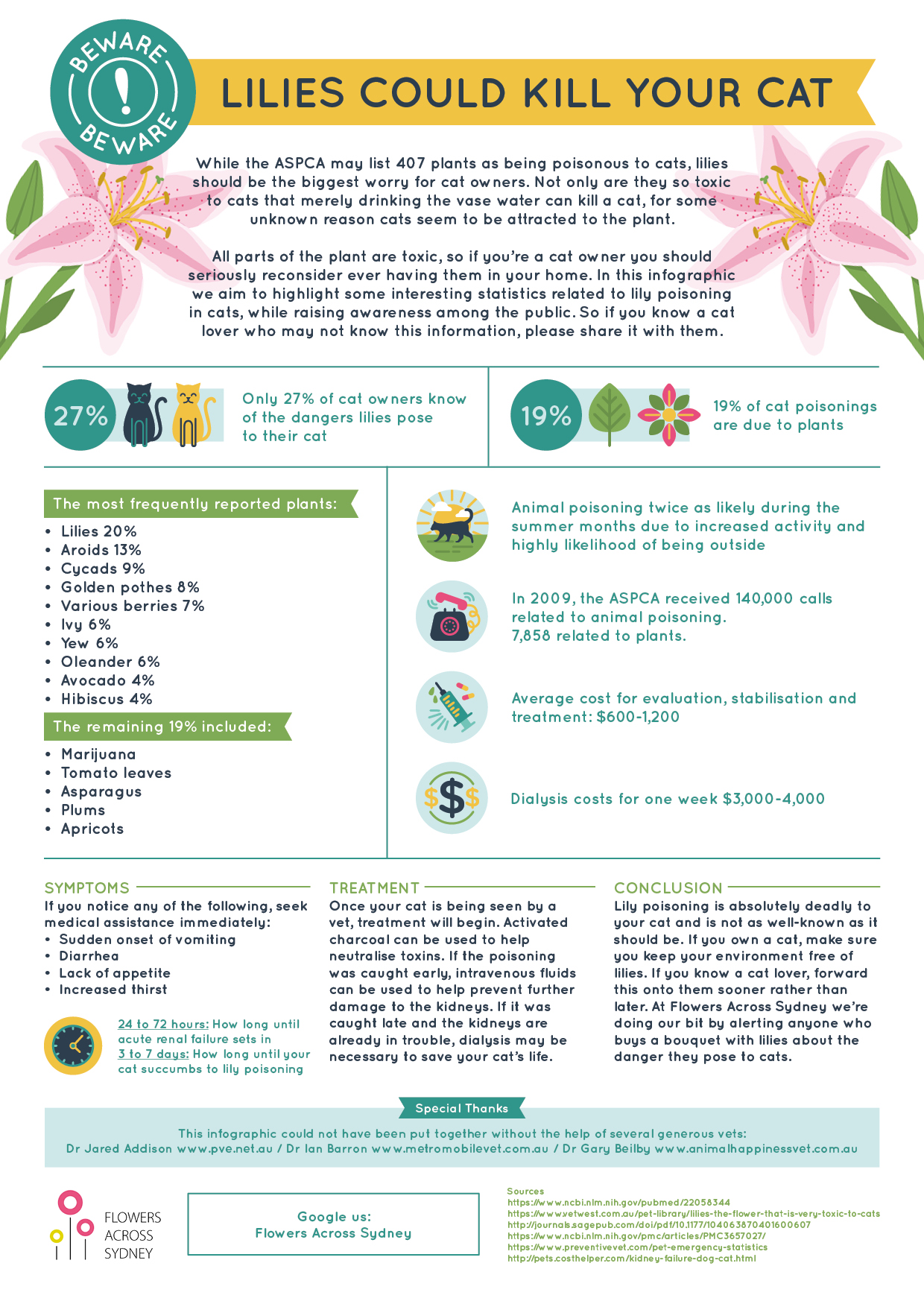
Lilies are different. Cats seem to be drawn to them, and the toxin is so potent that a small amount can kill a cat within a few days. No other cut flower worries vets more. Yet many owners don’t know the risk: one survey of owners whose cats had been exposed found that only 27% knew of the danger beforehand.
As florists who sell lilies every day, we want to do our bit to raise awareness. We label pet-friendly flowers in our range, and you can always ask us to leave lilies out of any bouquet.
Which Lilies Are Dangerous to Cats?
What we call “lilies” actually come from several plant families, and they are not equally dangerous. True lilies belong to the genus Lilium (family Liliaceae), and every part of them is highly toxic to cats. Daylilies (Hemerocallis) are in a different family, but they cause the same kidney damage.
Highly toxic to cats (kidney failure)
Easter lily and Christmas lily (Lilium longiflorum)
Oriental lilies, including stargazer
Asiatic lilies
Tiger lily
Regal lily and other Lilium species
Daylilies (Hemerocallis)
Other “lilies” with different risks
Calla lily and peace lily are not true lilies. They contain calcium oxalate crystals, which cause mouth pain, drooling and vomiting, but not kidney failure.
Lily of the valley is not a true lily either, but it is dangerous in a different way: it contains compounds that affect the heart.
Peruvian lily (Alstroemeria) is listed by the ASPCA as non-toxic to cats, which makes it a good long-lasting alternative.
These lists are not exhaustive. If you’re unsure what a flower is, check the ASPCA plant list or keep it well away from your cat.
Symptoms of Lily Poisoning in Cats
Cats are attracted to lilies, and scientists still don’t know why. Signs usually start within a few hours of exposure. Seek veterinary help immediately if you notice:
Vomiting
Drooling
Loss of appetite
Lethargy or hiding
Increased thirst and urination, followed by little or no urine as the kidneys fail
Without treatment, acute kidney failure can develop within 1–3 days. Don’t wait for symptoms if you know or suspect your cat has touched a lily.
What to Do If Your Cat Has Been Near a Lily
Treat it as an emergency. Take your cat, and the flower if you can, to a vet straight away. If you think your pet has eaten a toxic plant, call your vet or the Animal Poisons Helpline (1300 869 738) straight away.
Treatment depends on how early it starts. In the early stages, your vet may make your cat vomit, give activated charcoal and start intravenous fluids to protect the kidneys. If the kidneys are already damaged, dialysis may be the only option. Early treatment saves lives.
Christmas Lilies and Gift Bouquets
In Australia, Christmas lilies (Lilium longiflorum and similar white trumpet lilies) are a popular gift in December. They look beautiful, but they are one of the most dangerous flowers you can bring into a home with a cat. If you’re sending flowers to someone with a cat, choose a lily-free bouquet, or ask the florist to leave lilies out. For safer festive ideas, see our guide to Christmas flowers in Australia.
If lilies do come into the house, keep them in a room your cat can’t get into, remove the pollen-bearing anthers, wipe up fallen pollen and throw away the vase water carefully.
Cat-Safe Flowers to Choose Instead
Roses, sunflowers, gerberas, orchids, snapdragons and Peruvian lilies are all listed as non-toxic to cats by the ASPCA. For more ideas, see our lists of pet-safe flowers for cats and dogs and cat-friendly flowers, and why callas are risky too. Yasaar Nakchbendi has also written about cat-friendly alternatives on her blog Chirpy Cats.
If you grow lilies in the garden and have no cats, our guide on how to grow lilies covers lily care. Ready to send something cat-safe? Browse our pet-friendly flowers, with same-day delivery when you order before the daily cut-off.
Share Our Lily Warning Infographic
If you’d like to raise awareness too, share or print our infographic and put it somewhere visible.