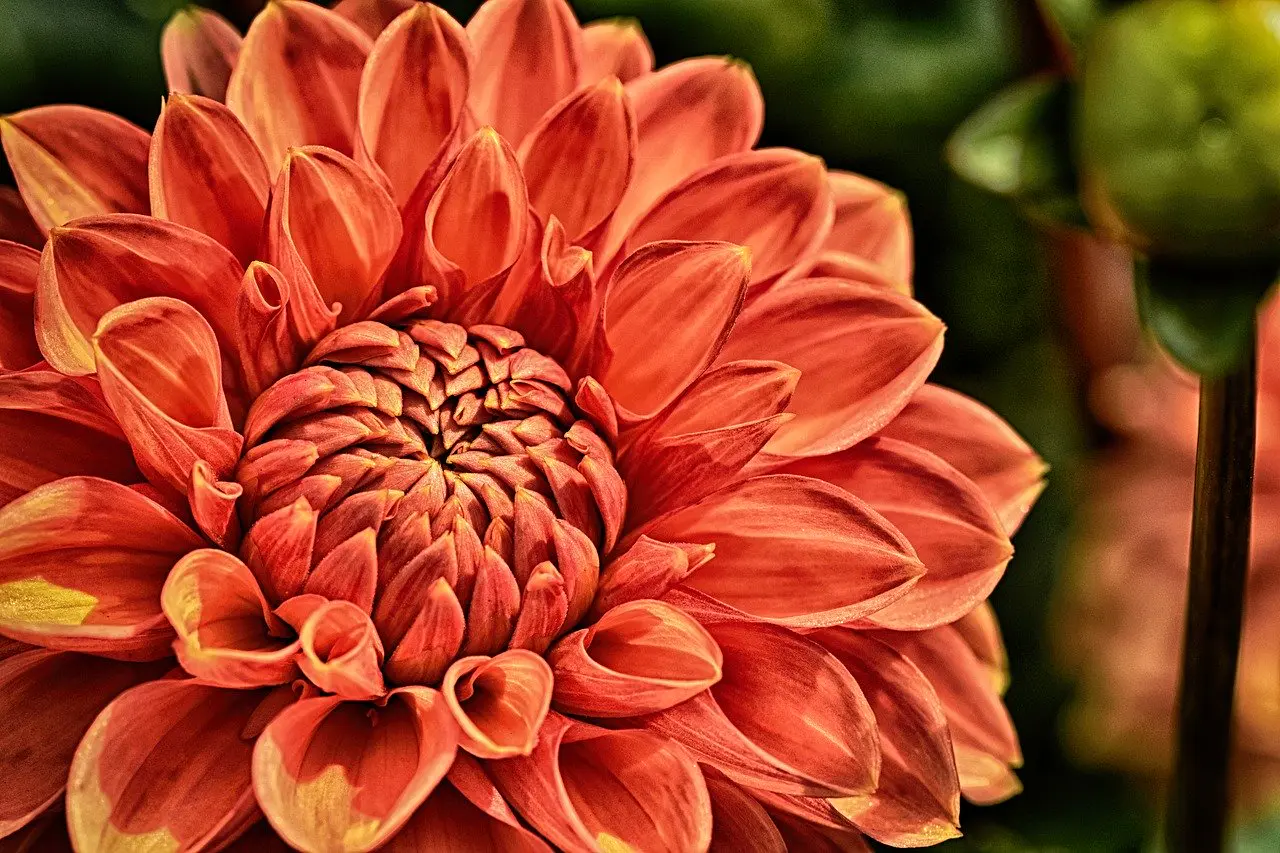
Image by Alexas_Fotos from Pixabay
Updated Nov 2026
Dahlias are easy to grow in most of Australia. Plant tubers in spring, from September in warm areas to November in cool ones, in a sunny spot with free-draining soil, stake them early, and water deeply once shoots appear. You’ll have flowers from late spring or summer right through to autumn.
Dahlias might be considered a little old-fashioned by some, but they’re growing in popularity in Australia. Looking at them you can see why: they have big, colourful blooms and fit into just about any garden. We’ve outlined the basics in an infographic below, followed by a step-by-step guide for Australian gardens.
Popular Types of Dahlias
There are thousands of dahlia varieties, grouped by flower shape. A few favourites for Australian gardens:
Dinner-plate (decorative) dahlias: huge, full blooms up to 25 cm across on tall plants. Show-stoppers that need strong stakes.
Ball and pompom dahlias: neat, rounded flowers that hold well in a vase.
Cactus dahlias: spiky, rolled petals for a dramatic look.
Single and collarette dahlias: open centres that bees and other pollinators can reach easily.
Dwarf or bedding dahlias: compact plants under 60 cm, ideal for pots and borders.
If you’re short on space, choose dwarf varieties for pots at least 30 cm wide, and use a quality potting mix so they drain well.
When to Plant Dahlias in Australia
Dahlias grow from tubers that rot in cold, wet soil, so wait until the soil has warmed up in spring. As a rough guide:
Tropical and subtropical areas (Brisbane and north): late August to October, before the summer wet season.
Temperate areas (Sydney, Perth, Adelaide): September to November.
Cool areas (Melbourne, Canberra, Hobart and the ranges): late October to December, once the risk of frost has passed.
Dahlias need about eight to ten weeks in the ground before they flower, so a spring planting gives blooms from late spring or early summer through to the first frosts of autumn. Staggering plantings a few weeks apart stretches the season.
Choosing the Right Spot and Soil
Dahlias love sun. Pick a position that gets at least six hours of direct sunlight a day, with some shelter from strong winds that can snap heavy flower heads. In very hot inland areas, a little afternoon shade helps the blooms last.
Good drainage matters more than anything else. Dig in plenty of compost or well-rotted manure a few weeks before planting, and if your soil is heavy clay, plant into a raised bed or mound. Dahlias prefer slightly acidic to neutral soil. Avoid high-nitrogen fertilisers, which give you lots of leaves and few flowers.
How to Plant Dahlia Tubers
Dig a hole about 15–20 cm deep for each tuber.
Put a sturdy stake in the hole before planting so you don’t spear the tuber later.
Lay the tuber on its side with the growing eye (the bud on the old stem) pointing up.
Cover with soil and don’t water until the first shoots appear, unless the soil is very dry. Wet soil and no leaves is the main cause of rot.
Space small dahlias about 30 cm apart, medium ones 50 cm, and tall dinner-plate types 60 cm to 1 metre apart.
Staking, Watering and Feeding
Once shoots are up, water deeply once or twice a week rather than a little every day, and more often in hot, dry weather. A layer of mulch keeps the roots cool and holds moisture in summer.
Tie the main stem loosely to its stake as the plant grows. When the plant has three or four pairs of leaves, pinch out the growing tip to encourage a bushier plant with more flowers. Feed every few weeks from early summer with a fertiliser for flowering plants that’s higher in potassium, and keep an eye out for snails, earwigs and powdery mildew late in the season.
Cutting Dahlias for the Vase
Dahlias are a florist favourite and make wonderful cut flowers. Cut in the cool of the morning when the blooms are almost fully open, as they won’t open much more once cut. Put the stems straight into a bucket of water, recut them at an angle, strip any leaves that would sit below the waterline, and change the water every day or two. Expect them to last about five to seven days in a vase. The more you cut, the more the plant flowers.
After Flowering: Winter Care
Once frost or cold weather blackens the foliage in late autumn, cut the stems back to about 10–15 cm. In frost-free gardens with good drainage, you can leave tubers in the ground under a thick layer of mulch. In cold or wet areas, lift them, let them dry for a few days, and store them in a cool, dry, dark place in a box of dry sawdust or sand until spring. Every two or three years, divide large clumps so that each piece has an eye.
For more seasonal tips, see our guides to growing flowers in Melbourne’s unpredictable climate and the most common gardening myths. Not a gardener? Browse our fresh flowers delivered across Australia.