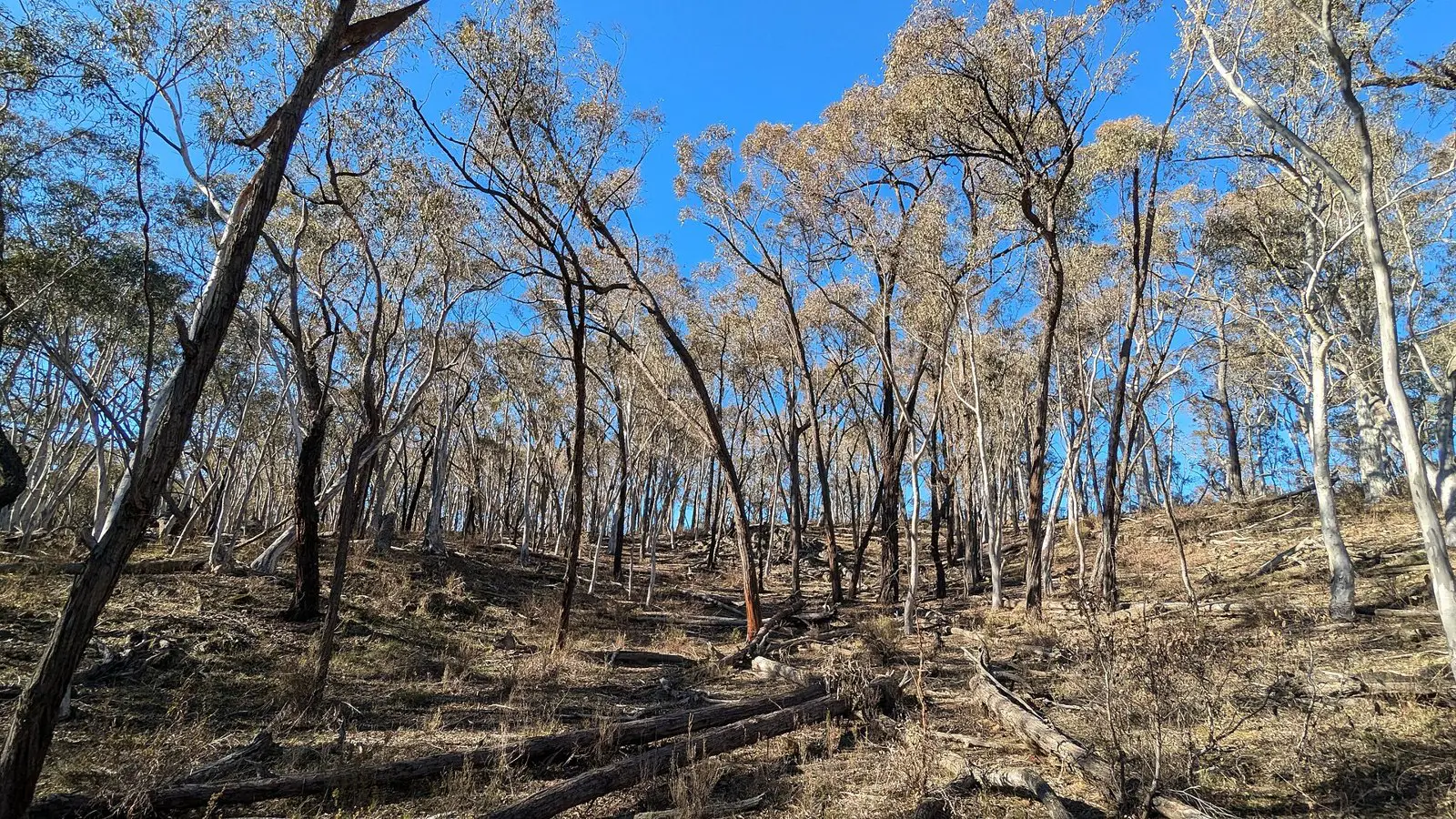
Photo by B 897 on Wikimedia Commons, CC0

Updated Nov 2026
Before chemists, people turned to the plants around them to treat illness. Aboriginal and Torres Strait Islander peoples hold some of the oldest continuous medicinal plant knowledge in the world. This guide looks at 32 plants used by the Yaegl Aboriginal community of northern NSW, as recorded by Yaegl Elders working with Macquarie University researchers.
Please read first: This article is for general interest and cultural education only. It is not medical advice. Several plants listed here are toxic, and traditional preparation methods are not described in full. Don’t use any plant to treat an illness without advice from a qualified health professional, and never harvest plants from the wild without permission.
We acknowledge the Yaegl people as the Traditional Custodians of the lands and waters of the lower Clarence River, and thank the Yaegl Elders who chose to share this knowledge. It remains their cultural knowledge.
An Introduction to Aboriginal Bush Medicine
Australia has more than 20,000 native plant species, and Aboriginal peoples have developed uses for many of them for food, fibre, shelter, ceremony and medicine. Bush medicine was how illness was treated long before European settlement, and it is still practised today.
In many Aboriginal cultures, illness can be understood as having spiritual as well as physical causes. Healers held an important place in their communities, while most adults also knew basic remedies. Some plants contain compounds with real, measurable effects; the healing relationship and belief in a treatment also play a part, as the placebo effect shows in modern medicine too.
Because people moved across Country with the seasons, healers needed to know a wide range of plants and how their usefulness changed through the year. Much of this knowledge was passed down orally, and a lot has been lost since colonisation, which is why recording it with communities matters.
Documenting Bush Medicine in NSW
One important project is An Ethnobotanical Study of Medicinal Plants Used by the Yaegl Aboriginal Community, published in the Journal of Ethnopharmacology in 2012 by Macquarie University researchers working with the Yaegl community around Maclean and Yamba in northern NSW.
Nineteen Elders were interviewed, describing 54 medicinal uses for 32 plants from 21 plant families. Several of these uses hadn’t been recorded anywhere else.
Most of the Elders interviewed (79%) were women, and the men mostly remembered treatments given by their mothers, aunts or grandmothers, which reflects women’s traditional role as practitioners of customary medicine. The plants still in use tended to be the most accessible and easiest to prepare, and a number of them are introduced species, which shows how the community’s knowledge has adapted over time.
Here are the 32 plants, grouped by how they were used.
Plants Used for Cuts, Wounds and Skin Problems
Cunjevoi (Alocasia brisbanensis)

The cunjevoi (also known as the native lily), is a plant that is native to the rainforests of Eastern Australia.
There are a few different medical uses for this plant. Both the leaves and the stem of the plant are used by the Yaegl people to treat burns, boils, cuts and sores.
The leaves can also be used to treat muscle injuries and green ant bites.
This plant is toxic to humans and dogs, so this isn’t something you want to plant in your backyard if you have kids or pets.
There’s no scientific literature on the effects of this plant, so future studies need to be conducted to learn more about the medicinal properties.
Coastal Jack Bean (Canavalia rosea)

Photo by Ianaré Sévi on Wikimedia Commons, CC BY-SA 3.0

The coastal jack bean is a vine that grows along the ground and can be found all over the world near beaches and cliffs.
The leaves are used in bush medicine for the treatment of boils and sores.
Pink Bloodwood (Corymbia intermedia)

Photo by Mark Marathon on Wikimedia Commons, CC BY-SA 4.0

The pink bloodwood tree is native to a part of New South Wales and Queensland.
In bush medicine the sap is used to stop cuts from bleeding.
Tickweed (Cleome viscosa)

Photo by Dinesh Valke from Thane, India on Wikimedia Commons, CC BY-SA 2.0

Also known as the spider flower or mustard bush, tickweed is an introduced species of plant that can now be found in the northern parts of Australia.
In bush medicine it is said to be used to treat cuts, but the elders interviewed weren’t sure what part is to be used.
Aboriginal people in other parts of Australia are reported to use tickweed for headaches.
Snakeberry (Diplocyclos palmatus)

Photo by Dinesh Valke from Thane, India on Wikimedia Commons, CC BY-SA 2.0

The fruits of snakeberry have been used in bush medicine to treat both ringworm and skin infections.
Yellow Vine (Hibbertia scandens)
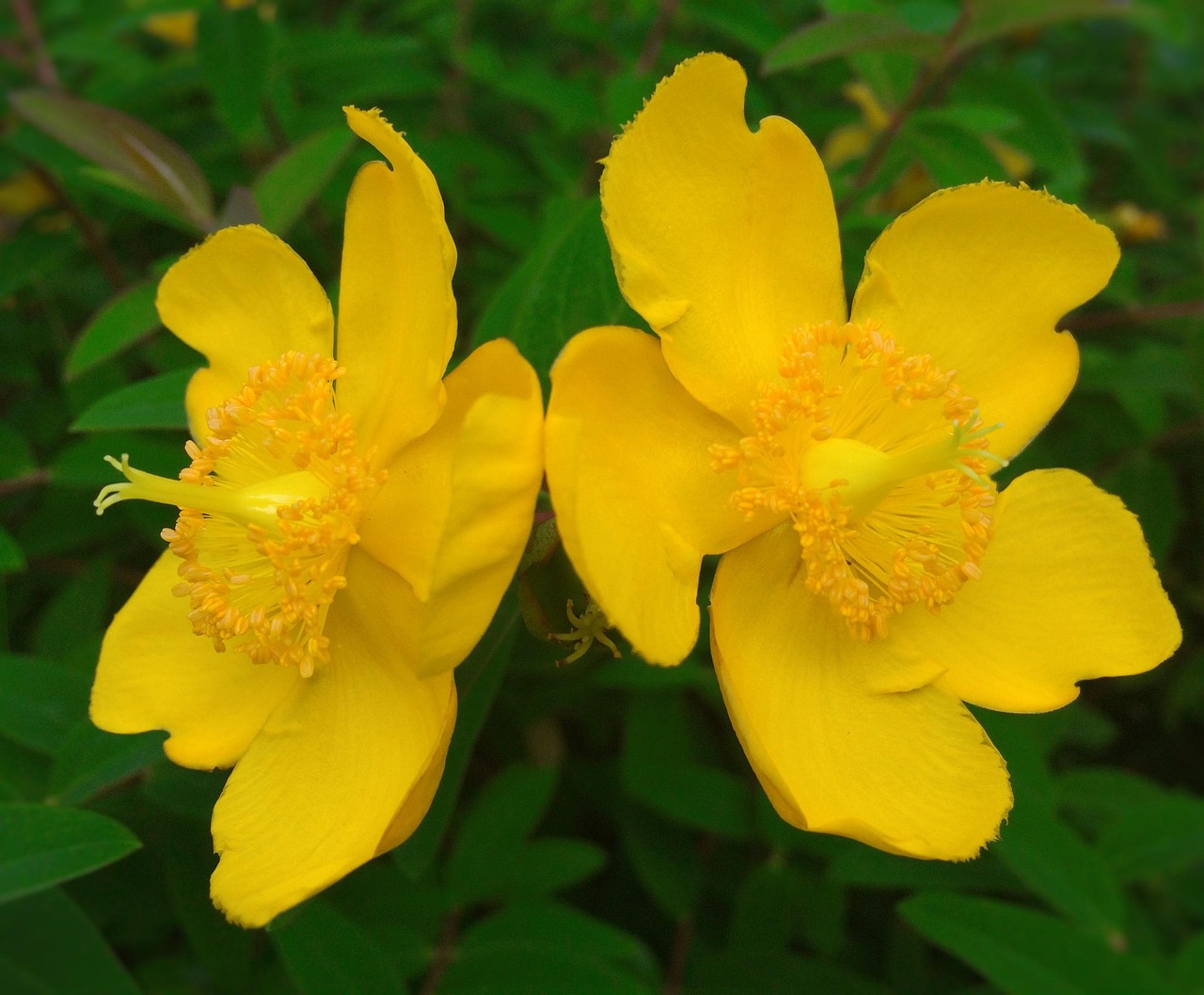
Photo by Casliber on Wikimedia Commons, CC BY-SA 2.5

Yellow Vine, which is also known as snake-vine, is a plant that is native to Australia.
This plant is used in bush medicine for the treatment of sores and rashes, but it was unknown which parts of the plant were to be used.
Apple Gum (Lophostemon suaveolens)

Photo by Mark Marathon on Wikimedia Commons, CC BY-SA 3.0

The apple gum is a tree that is native to Australia and New Guinea that is also known as swamp mahogany.
The ash of the apple gum is used to treat wounds, while the sap can be used to treat cuts, sores, open wounds and acne.
Until recently there were no studies showing any efficacy, but recently one study showed that the tree has antimicrobial activity.
Flatweed (Hypochaeris radicata)

Image by WikimediaImages from Pixabay
Also known as the false dandelion, the flatweed is a plant that is native to Europe but has been introduced all around the world.
In bush medicine, the leaves are used to treat liver disease and boils, while the stem is also used for the treatment of boils.
It’s interesting to note that real dandelion has also been used to treat liver disease in the past.
Potato (Solanum tuberosum)

The humble potato hardly needs an introduction. And while it may appear as a staple in modern Australia, it’s actually native to South America.
In bush medicine the potato was mostly used for its skin where it could be used to treat boils.
The ashes of a potato were also used to treat warts.
Plants Used for Colds, Coughs and Breathing
Chillies (Capsicum spp.)

Chillies aren’t native to Australia (they originated in the new world), but they have found their way into bush medicine after being introduced into Australia.
The fruits of the chillies (of which several species are used), are used in bush medicine for the treatment of colds and flu.
The idea behind using chillies for a cold is that capsaicin, the compound that makes them hot, may help loosen mucus and ease congestion.
Different chillies contain very different amounts of capsaicin, so treat them with caution.
Bush Lemon (Citrus x taitentis risso)

Photo thanks to Daley’s Fruit
The bush lemon isn’t too far removed from the typical lemon that you can buy from any supermarket in the country.
It’s native to China and India, but has since found its way to Australia where it can be found along the coast of NSW and Queensland.
In bush medicine the fruit of the bush lemon is used to treat colds.
Lemons are rich in vitamin C, which Nobel Prize winner Linus Pauling famously claimed could help with colds.
Oranges (Citrus sinensis)

Similar to the bush lemon above, oranges were introduced into Australia somewhat recently and the fruit of the tree is also used in bush medicine to treat the common cold.
Research since Pauling’s time suggests that taking vitamin C regularly doesn’t prevent colds for most people, though it may slightly shorten them.
Eucalypts (Eucalyptus spp.)

Few trees are more closely associated with Australia than the eucalypts and so it won’t be surprising to learn that Aboriginal tribes also used them.
In NSW, the leaves were used to treat bronchitis, coughs and colds.
The bark was used for sores and scabies.
Tea Tree (Melaleuca spp.)

Image by JulieAnne van der Lek from Pixabay
The tea tree is something that grows worldwide and has been used by plenty of traditional societies medicinally.
If you visit your local chemist you’ll find plenty of products with tea tree oil in them, but in bush medicine the leaves were mostly used to treat colds, flus and also acted as mosquito repellent.
Prickly Pear (Opuntia spp.)

The prickly pear is an introduced cactus and a declared weed in much of Australia.
The fruits of the plant are used in bush medicine to treat asthma.
Narrow Leaf Sarsaparilla (Smilax glyciphylla)

Photo by John Moss on Wikimedia Commons, Public domain

Also known as the sweet sarsaparilla tree, the narrow leaf sarsaparilla tree is native to eastern Australia.
In bush medicine the leaves are used for coughs, skin problems and diabetes.
In the earliest days of the European settlement of Australia, this plant was used for treating scurvy and for easing the symptoms of coughs.
It’s possible that settlers learnt this use from local Aboriginal people.
Plants Used for Pain, Arthritis and Stings
Centella (Centella asiatica)

Image by Maya A. P from Pixabay
Centella is a plant that is native to Asia but now found just about everywhere.
In bush medicine, the leaves of the centella plant are used to treat arthritis. Crush them up to release the oils inside, add a little bit of water and rub them over the affected areas.
While no definitive results have been found scientifically yet, many scientists believe that the plant warrants further research.
Corkwood (Duboisia myoporoides)

Photo by Raffi Kojian on Wikimedia Commons, CC BY-SA 3.0

The corkwood tree grows up to 14m in height and is native to Australia.
In bush medicine its leaves are used as topical anesthetic and antiseptic.
The leaves were also chewed as a stimulant. Corkwood leaves contain powerful alkaloids, and they are toxic if misused.
The tree is grown commercially in Queensland and NSW as a source of hyoscine (scopolamine), a medicine used for nausea and stomach cramps.
Beach Morning Glory (Ipomoea brasiliensis)

The beach morning glory, also known as goat’s foot, is a vine that is native to parts of NSW.
In bush medicine the leaves are commonly used in a poultice to treat pain caused by the sting of a jellyfish. It can also be used to treat headaches and arthritis.
Inkweed (Phytolacca octandra)

Photo by Mark Marathon on Wikimedia Commons, CC BY-SA 4.0

Inkweed is a plant that is found all over the world.
In bush medicine the inkweed plant is used to treat arthritis, but this is one plant you don’t want to play around with at home.
It’s unknown how the fruit is prepared for arthritis treatment, but in its normal state all parts of the plant are poisonous.
This isn’t a plant you want growing in your backyard if you’ve got kids or pets that like to nibble at plants.
Bracken Fern (Pteridium esculentum)

The bracken fern is a plant that grows in forest areas all around the world.
In bush medicine the leaves and ash are used to treat insect stings and bites.
It’s also considered a weed by farmers because it competes for moisture with grass and can be poisonous to cattle.
So as tempting as it might be to use the bracken fern to treat insect stings and bites, it’s probably best left alone if you’re not sure of the methods of preparation.
Dockleaf (Rumex)

Image by WikimediaImages from Pixabay
Also known as bitter-dock, the dockleaf is a perennial weed that is native to Europe but now found all around the world; particularly in the United States, Australia and New Zealand.
In bush medicine the leaves are used to treat insect stings.
Dockleaf is generally safe to touch, but the leaves contain oxalic acid, which is harmful in large doses.
Stinging Nettle (Urtica dioica)

Photo by Dominicus Johannes Bergsma on Wikimedia Commons, CC BY-SA 4.0

The stinging nettle plant is native to Europe but can now be found in plenty of locations around the world.
The elders interviewed in the study knew that this plant could be used to treat arthritis, but they weren’t sure which part was to be used nor how it should be prepared.
Plants Used for Stomach and Digestive Problems
Native Guava (Eupomatia laurina)
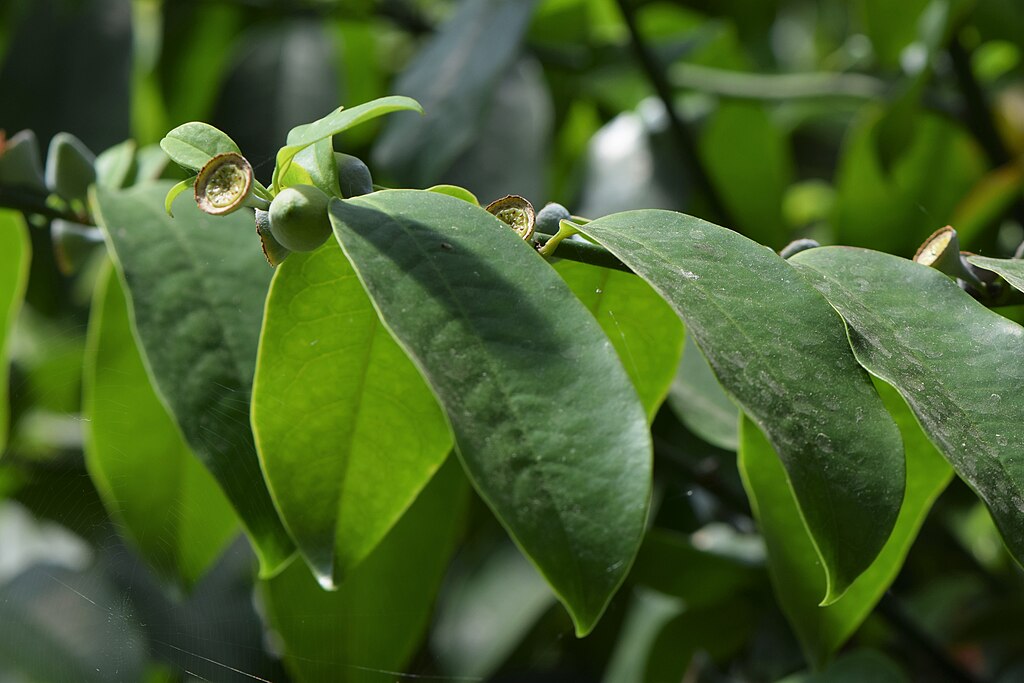
Photo by Krzysztof Ziarnek, Kenraiz on Wikimedia Commons, CC BY-SA 4.0

The native guava (as the name suggests) is a tree native to Australia and has long been used in bush medicine.
The leaves are used to treat stomach aches while the fruit is used as both as a treatment for diarrhea and as a laxative.
Paddy’s Lucerne (Sida rhombifolia)

Image by Manh Ha Pham from Pixabay
Paddy’s Lucerne is a perennial weed that grows in rocky areas and sometimes can end up competing with pasture since cattle don’t like to eat it.
In bush medicine the leaves are used for gastric problems and diarrhea.
Pineapple (Ananas comosus)
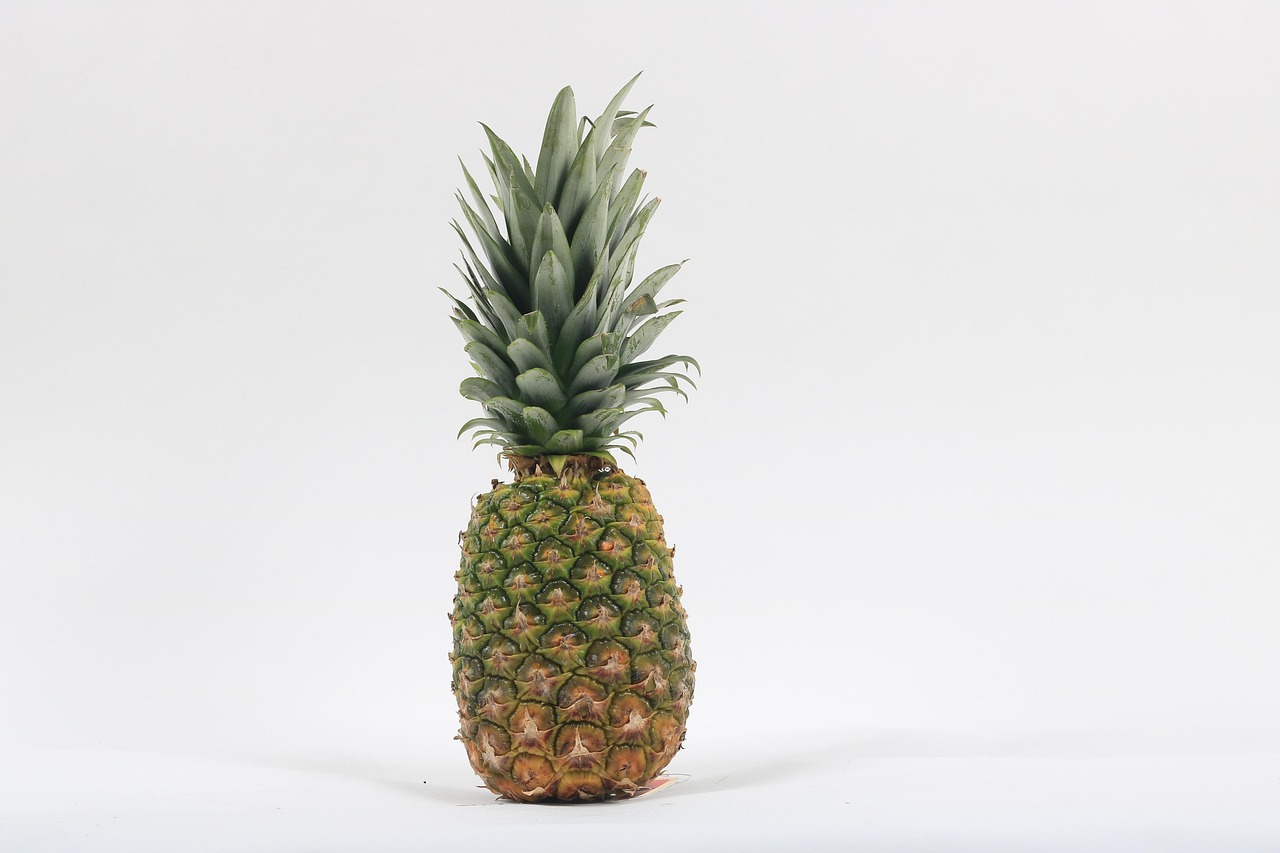
Image by JUNE JUNG from Pixabay
Pineapples don’t really need an introduction, but they were introduced into Australia.
While most of Australia loves pineapple on their pizzas, in bush medicine pineapple skin and leaves are used as a cleansing tonic.
Studies have found that fruit peels, including pineapple peel, are a source of antioxidants.
Lawyer Vine (Smilax australis)
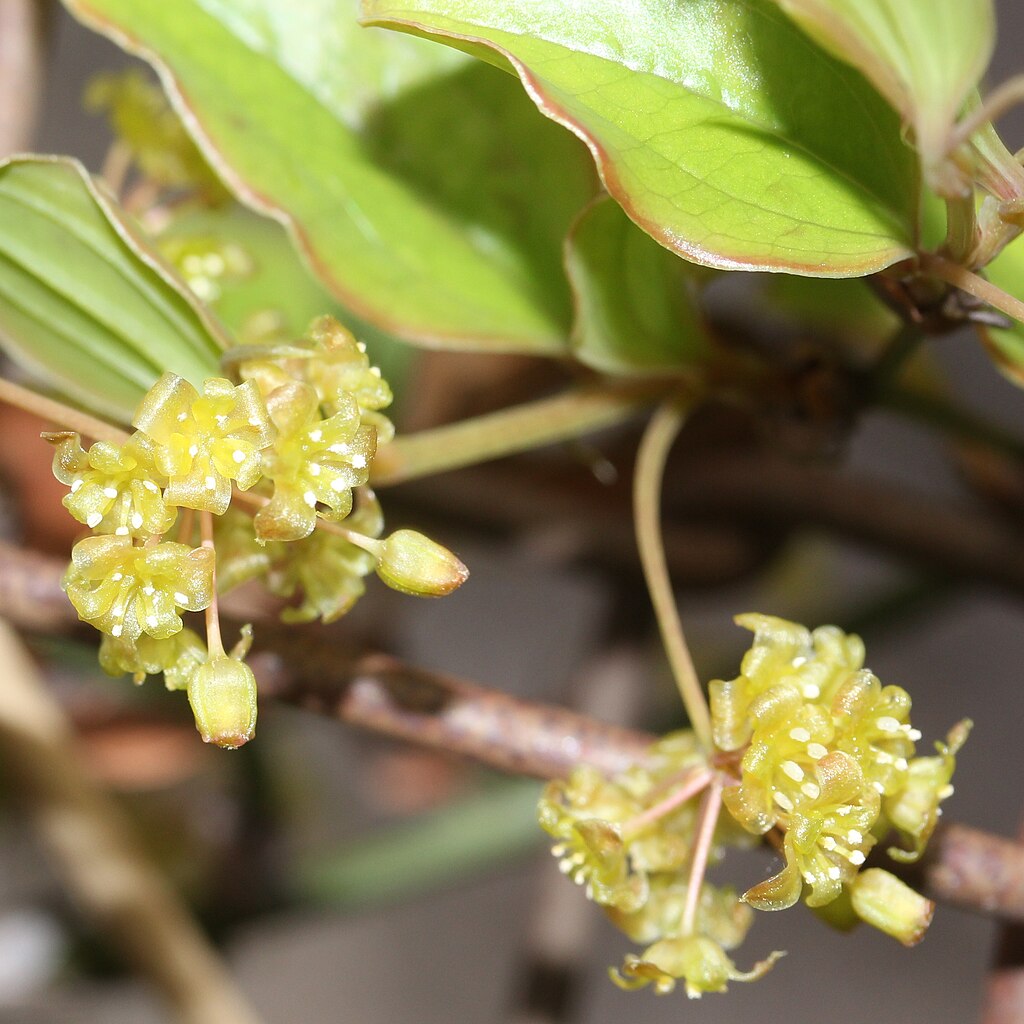
Photo by Melburnian on Wikimedia Commons, CC BY 3.0

The lawyer vine is a plant that is native to Australia.
In bush medicine the leaves of the plant are used to treat diabetes, as a blood cleanser and to ease pain.
Plants Used as Soap and Insect Repellent
Soap Tree (Alphitonia excelsa)
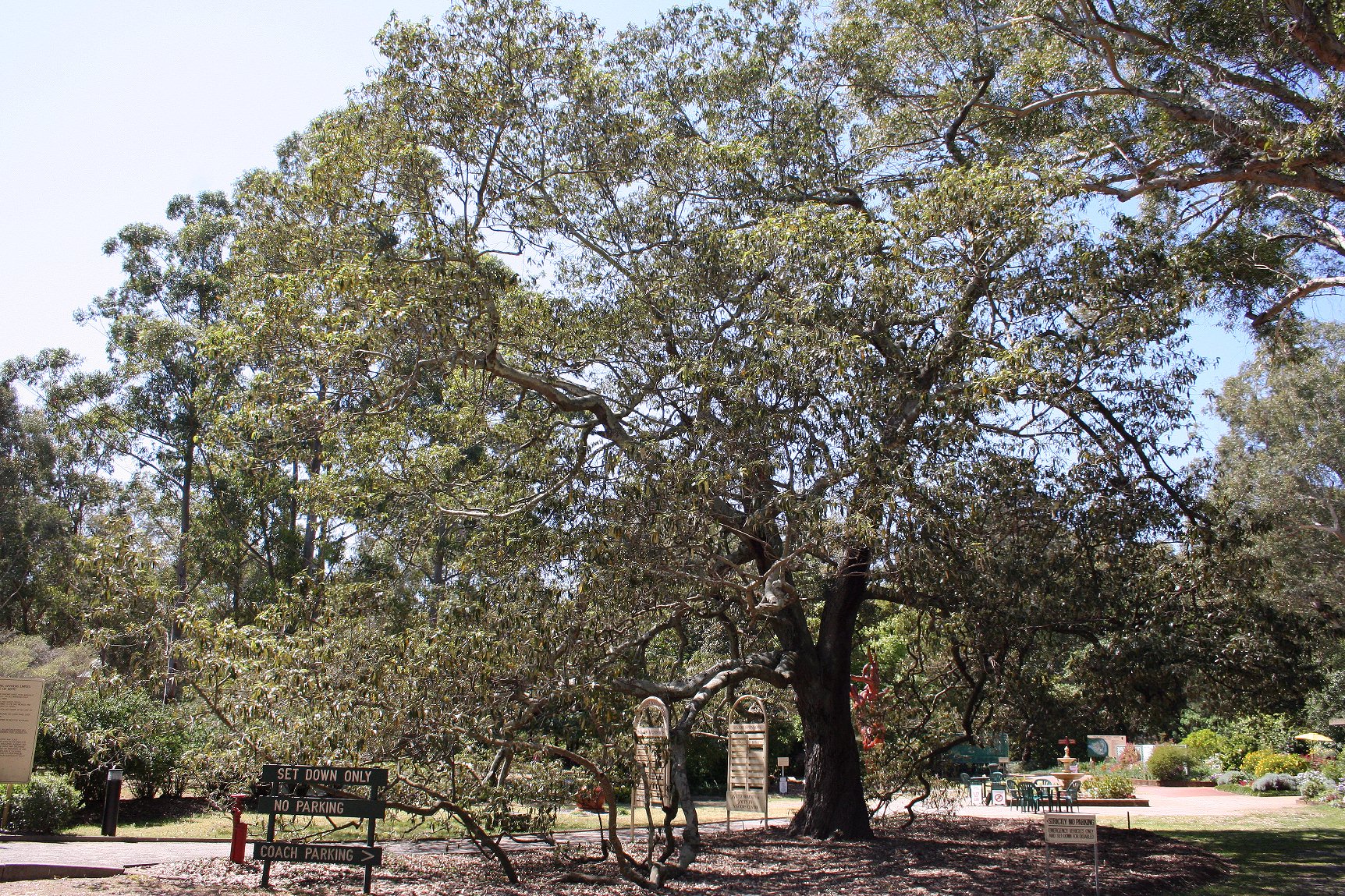
Photo by Casliber on Wikimedia Commons, Public domain

The soap tree, or red ash, is a tree that is native to NSW and the rest of northern Australia.
The leaves can be used as both soap (as the name of the tree suggests) and as an antiseptic handwash.
To do so, just crush the leaves, add a little bit of water and then run them over your hands like you would with a bar of soap.
Here’s a video of a man showing you how it’s done: Soap Tree at Mossman Gorge.
Native Tobacco (Solanum mauritianum)

Native tobacco isn’t native to Australia; it actually originated in South America.
In bush medicine the leaves are used for mosquito repellent.
Stinking Roger (Tagetes minuta)

Photo by Harry Rose from South West Rocks, Australia on Wikimedia Commons, CC BY 2.0

The stinking roger plant is another example of an introduced species that is used in bush medicine.
The leaves were used as mosquito repellent.
Plants Used for Serious Illness
Paw Paw (Carica papaya)

The paw paw (also known as papaya) is a small tree that was introduced into Australia from South America.
While the fruit is popular in many cuisines, such as Thai green papaya salad, Yaegl Elders described using the leaves to help ease the symptoms of certain cancers.
Several studies have been conducted to learn if there are some potential benefits for the treatment of cancer, but the evidence is still lacking.
Cancer must always be treated by medical professionals, but research into plants like this may one day contribute to new treatments.
Milkweed (Sonchus oleraceus)

Photo by Christian Ferrer on Wikimedia Commons, CC BY-SA 4.0

Milkweed is a plant that was introduced to Australia and is used in bush medicine.
The elders interviewed in the study weren’t sure which part of the plant was used, but they knew that it was used to help ease the symptoms of cancer.
The leaves could also be used to treat asthma.
Respecting Bush Medicine Today
Bush medicine is living cultural knowledge, and modern science is still catching up with what Aboriginal communities have long known. If you’re interested in native plants, the best way to learn is from Aboriginal-led organisations and community programs, and to enjoy plants like eucalyptus, banksia and waratah in the garden or in a vase rather than as home remedies.
Love Australian plants? Browse our native flower arrangements.