In short: in Australia, plant daffodil bulbs in autumn (March to May), 10–15 cm deep and 15–20 cm apart, in full sun and well-drained soil. They flower from late winter to spring. Cool and temperate areas suit them best. In warm areas, chill the bulbs in the fridge for about 6 weeks before planting.
Few people don’t like daffodils. They’re cheerful, tough and come back year after year, so it’s no wonder so many people want them in their garden. This guide covers everything you need to grow them well in Australia, including what to do right now, now that they’ve finished flowering.
When to Plant Daffodils in Australia
| Time of year | What to do |
|---|---|
| Late summer (February) | Buy bulbs as they arrive in nurseries. In warm areas, put them in the fridge (away from fruit) for about 6 weeks. |
| Autumn (March to May) | Plant bulbs 10–15 cm deep, pointy end up, 15–20 cm apart. Water in well. |
| Winter (June to August) | Shoots appear. Water only in dry spells. Early varieties start flowering in late winter. |
| Spring (September to October) | Peak flowering. Deadhead spent flowers. |
| Late spring to summer (October to December) | Leave the leaves to die back naturally, then lift and divide crowded clumps if needed. |
Daffodil Basics
Daffodils belong to the genus Narcissus and are spring-flowering perennials from south-western Europe and North Africa. Like most bulbs, you plant them in autumn for flowers in late winter and spring.
Daffodils are mostly white and yellow, but some varieties have orange, pink or apricot cups. The species vary a lot in size: N. asturiensis barely reaches 10 cm, while taller types grow to about 45–50 cm.
Their bulbs look a bit like onions, but don’t eat them: all parts of the plant are poisonous to people and pets.
Daffodils are pollinated by a range of insects, including bees, butterflies, flies and moths.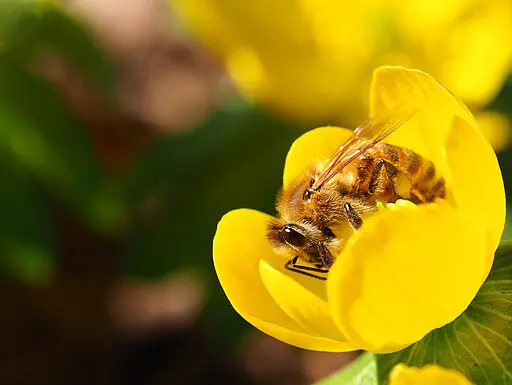
Photo by Michael Mueller on Wikimedia Commons, CC BY 2.0

How to Grow Daffodils
Daffodils aren’t hard to grow well, but there are a few easy ways to miss out on flowers. Follow these guidelines and you’ll be fine.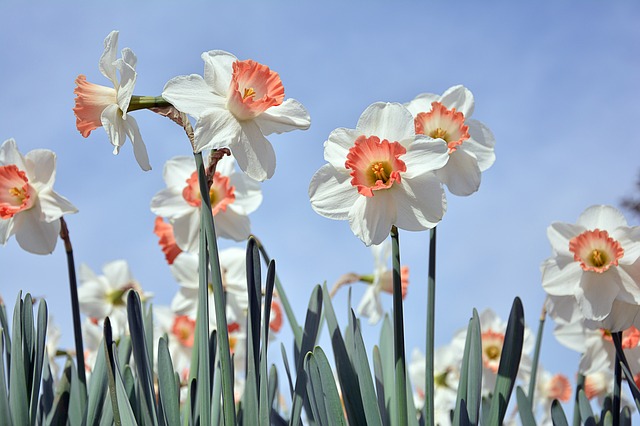
Image by kareni from Pixabay
Choosing the best bulbs
A daffodil bulb already holds next spring’s flower, so choosing a good bulb matters. Generally, the bigger the bulb, the better it will flower. Choose firm bulbs that are neither dried out nor soft, a bit like picking good fruit (although you shouldn’t eat these).
How to plant daffodils
Plant bulbs in autumn, about 10–15 cm deep (roughly twice the height of the bulb), pointy end up, and 15–20 cm apart. Water them in well after planting to get them started. In pots, use a good-quality potting mix and plant the bulbs closer together, about a bulb’s width apart.
What climate suits daffodils?
Daffodils do best where winters are cold, such as Tasmania, Victoria, southern NSW, the ACT, the Adelaide Hills and the tablelands. In warmer areas like coastal Sydney and Perth, they still grow but flower less reliably. Chill the bulbs in the fridge for about 6 weeks before planting, and choose tazetta and jonquil types, which cope better with mild winters. In the tropics, daffodils rarely flower well.
How much sun do daffodils need?
Daffodils like lots of sun, so plant them in full sun or, at the very least, partial shade. They’re happy under deciduous trees, which let in winter and spring sun.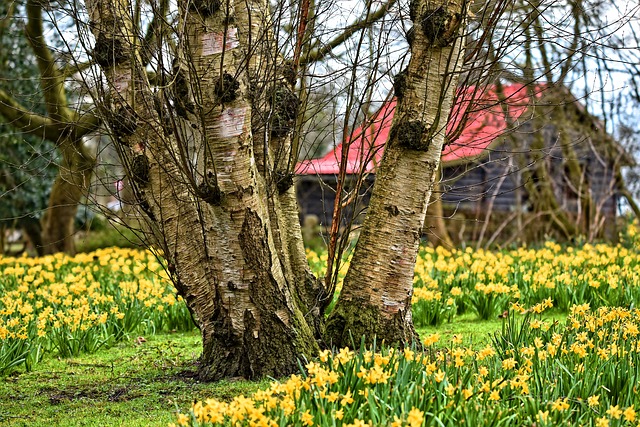
Image by MabelAmber from Pixabay
What soil suits daffodils best?
Bulbs rot if they sit in wet soil, so daffodils need well-drained soil. Dig in some compost before planting, and avoid spots where water pools after rain.
How to water daffodils
Daffodils aren’t demanding. Water when the soil is dry while they’re growing and flowering, roughly once a week in a dry spell. If you get regular winter rain, you may never need to water them. Stop watering once the leaves die back in summer.
Do daffodils need fertiliser?
If your daffodils flower well, they’re getting what they need, and extra fertiliser can do more harm than good. If flowering is poor, give them a little bulb fertiliser at planting and again as the flowers fade.
Should you deadhead daffodils?
Yes. Snap off spent flowers so the plant puts its energy into the bulb rather than into seeds.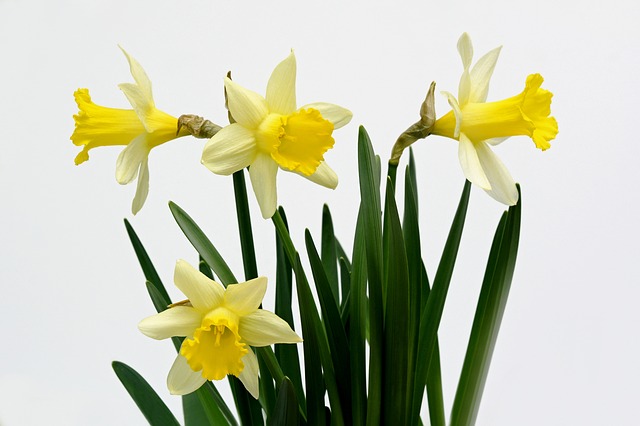
Image by anncapictures from Pixabay
What to Do With Daffodils After Flowering
By late spring most daffodils have finished, and this is when next year’s flowers are made. To get the best display next year:
Deadhead the spent flowers, but leave the stems and leaves.
Leave the leaves for about 6 weeks, until they turn yellow. They feed the bulb for next year’s flowers.
Don’t tie, plait or cut the leaves while they’re still green.
Keep watering lightly in dry weather until the leaves start to yellow.
Lift or leave. In cool areas, you can leave bulbs in the ground. Lift and divide clumps every few years when they get crowded, or if they stop flowering. In warm areas, lift bulbs once the leaves die back, store them somewhere cool, dry and airy, and chill them again before replanting in autumn.
Daffodils, Pets and Cut Flowers
Daffodils are toxic to cats, dogs and horses (ASPCA), especially the bulbs. Eating any part of the plant can cause vomiting, drooling and diarrhoea, and large amounts can affect the heart. Keep bulbs out of reach while you’re planting, and stop dogs digging them up. If you think your pet has eaten a toxic plant, call your vet or the Animal Poisons Helpline (1300 869 738) straight away. For safer choices, see our pet-safe flowers for cats and dogs.
Daffodils make lovely cut flowers, but their stems release a sap that shortens the vase life of other flowers. Stand freshly cut daffodils in water on their own for several hours before you add them to a mixed arrangement, and don’t recut the stems afterwards.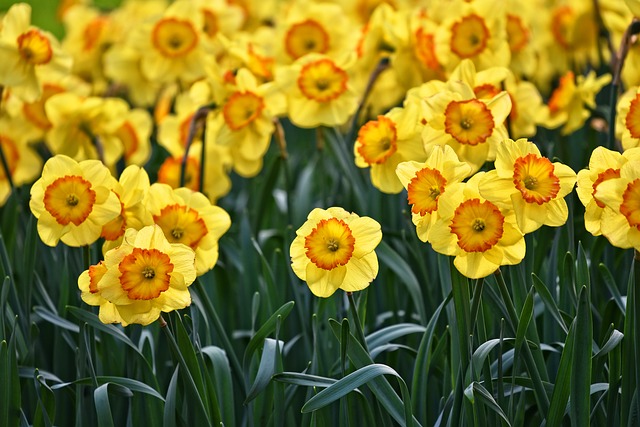
Image by MabelAmber from Pixabay
More Spring Bulbs and Flowers
Daffodils are the birth month flower for March and a symbol of rebirth and new beginnings. If you love spring bulbs, read our guide to growing tulips and our pick of spring flowers.
Daffodils are out of season now, but potted plants make a lasting gift all year round. Browse our plants, with same-day delivery when you order before the daily cut-off. Our daffodils and jonquils are in season from late winter to spring.