
In short: white lilies are the most traditional funeral flower, followed by roses, chrysanthemums and orchids. White and soft colours are always safe, but the person’s favourite flowers are fine too.
Funeral flowers are part of mourning in cultures all over the world, and flowers have been part of mourning for thousands of years. Because they matter so much, sending flowers to a funeral can feel stressful: there are customs to respect and mistakes you’d rather not make.
This guide covers what common funeral flowers mean, the customs of different religions, when and where to send flowers, and the most common arrangements. If you’re stuck on what to write on the card, see our guide to writing sympathy messages and condolence cards.
Meaning of Common Funeral Flowers
Different families and cultures can give different meanings to some flowers, but these are the most common choices and what they usually mean.
Lilies

Lilies, especially white lilies, are the most traditional flower for funerals. Many Christians associate white lilies with purity and with the Virgin Mary, but lilies are popular at funerals of all faiths.
Roses
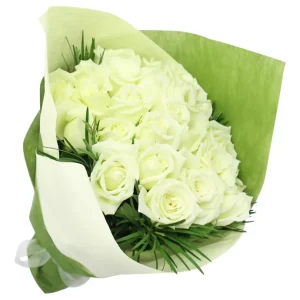
Roses are another popular choice, and each colour carries its own meaning. White roses stand for purity and remembrance, red roses for love and respect, and yellow roses for friendship. See our guide to rose colour meanings.
Peace lilies

The peace lily (Spathiphyllum) represents peace, and at a funeral it symbolises that the person who has died is at rest. Sent as a plant, it lasts far longer than cut flowers, so it’s a lasting reminder of your support.
Pets at home? Peace lilies are toxic to cats and dogs (ASPCA), and so are true lilies, chrysanthemums, carnations and hydrangeas. If the family has pets, choose a pet-safe bouquet of roses or orchids instead. If you think your pet has eaten a toxic plant, call your vet or the Animal Poisons Helpline (1300 869 738) straight away.
Chrysanthemums
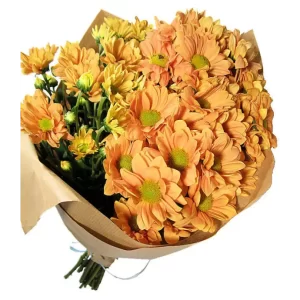
Chrysanthemums mean different things in different cultures. In Australia and much of Europe they usually stand for sympathy and are common at funerals. In some Asian cultures, white and yellow chrysanthemums are also linked with mourning, so check what suits the family. White is the safest colour.
Orchids
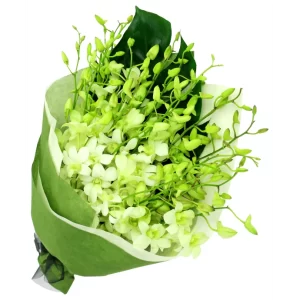
Orchids convey love and affection. A potted orchid lasts much longer than cut flowers, which makes it a thoughtful gift for the family’s home.
Hydrangeas
Hydrangeas don’t have one agreed meaning, but they are beautiful and widely used in sympathy arrangements. At a sensitive time, not getting it wrong matters more than making a statement, so a soft white or blue hydrangea arrangement is a safe choice.
Carnations
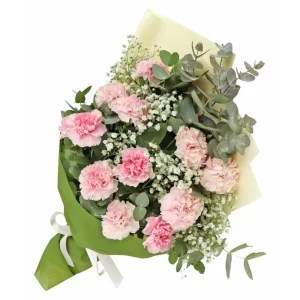
Carnations are another traditional funeral flower and are often used in wreaths. White carnations stand for pure love and remembrance, and pink carnations for remembrance and gratitude.
Funeral Flowers by Religion
Customs around funeral flowers depend on the family’s faith, and they change over time. If you’re sending flowers to a family whose traditions you don’t know, it’s always fine to ask the funeral director or a close relative first. Here is a general guide.
Roman Catholic funerals
Flowers are welcome at Catholic funerals. Families usually prefer sombre, respectful arrangements over bright and cheerful ones. You can send flowers to the funeral home or to the family’s home.
Protestant funerals
Flowers are also welcome at Protestant funerals, and a wider range of colours and styles is usually accepted.
Jewish funerals
Flowers are traditionally not sent to a Jewish funeral or to the family during shiva. A donation to a charity the person cared about, or food for the mourning family, is more usual. Making a shiva call is also a meaningful way to show support. Some more secular families do welcome flowers, so if you’re unsure, check first.
Muslim funerals
Opinions differ. Many families keep funerals simple and prefer no flowers, while others welcome a modest arrangement. Check with the family before sending anything.
Buddhist funerals
Flowers are usually welcome at a Buddhist funeral. The type of flower matters less than the colour: white is the colour of mourning, so white flowers are the best choice. Avoid red, which stands for happiness.
Hindu funerals
Flowers are common at Hindu funerals, but they are usually sent to the funeral home or the family’s home. Guests generally arrive empty-handed. White flowers are the most appropriate.
When and Where to Send Funeral Flowers
Ideally, flowers should arrive at the funeral home before the service begins. If that isn’t possible, send them to the family’s home instead, either before or after the funeral. Flowers that arrive a week or two later can be a welcome reminder that you’re still thinking of them. Read more in our guide to funeral etiquette.
Common Funeral Flower Arrangements
There are lots of arrangements to choose from. These are the most common.
Wreaths

Image by Noir from Pixabay
A wreath is a circle of flowers and foliage, a symbol of eternal life. Wreaths are usually displayed on a stand at the service and are often sent by friends, colleagues or organisations.
Casket sprays

Image by PrebenGammelmark from Pixabay
A casket spray rests on top of the coffin. It is usually ordered by the immediate family, so check with them before sending one.
Sympathy bouquets and plants
A bouquet or a potted plant sent to the family’s home is a gentle way to show you care, whether or not you can attend the funeral. See our tips on sending sympathy flowers online and what to write on a sympathy card.
Sending Funeral and Sympathy Flowers
Whatever you choose, the gesture matters more than the flowers themselves. Browse our funeral flowers, including wreaths and casket sprays, or our sympathy flowers for the family’s home, with same-day delivery when you order before the daily cut-off.