DIY wedding flowers can save you money and let you put your own stamp on the day, but they take planning, time and willing helpers. Many couples get the best result by making simple pieces like bouquets, buttonholes and table flowers themselves and leaving the larger installations to a florist.
This guide walks you through every step, from deciding whether DIY is right for you and setting a budget, to choosing seasonal flowers, buying them, arranging them and keeping them fresh on the day.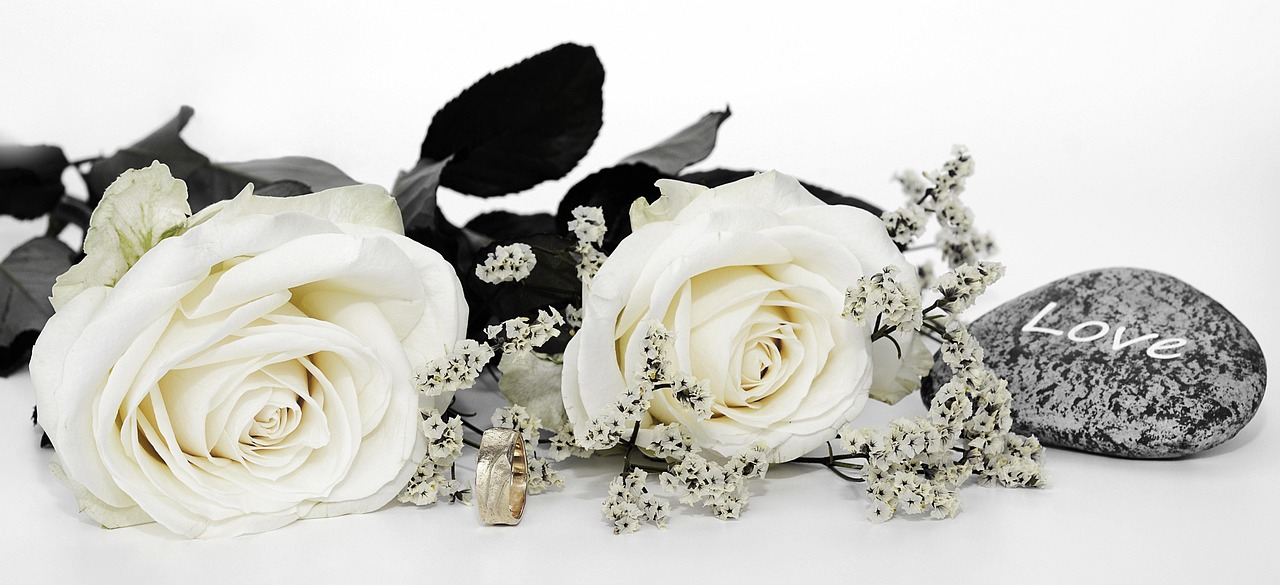
Image by anncapictures from Pixabay
Wedding Flowers: The Benefits of Creating Your Own
Creating flowers for your wedding doesn’t have to be hard, and it’s even easier if you have a couple more pairs of willing hands. Make smart use of your friends, family members, and especially members of the bridal party. Try setting up a girls’ night around the table with a few drinks, some music, and snacks.
Simplistic floral arrangements using seasonal and local flowers are becoming more popular, which is especially great news for DIY-ers. You see, a florist’s job is not easy, they have a lot of skill and creativity. But with the right mix of simplicity and style, you can easily create some of your own beautiful standout floral arrangements.
Benefits include:
A unique opportunity to inject your personality and style into your wedding arrangements.
Saving money on the labour.
The absolute satisfaction that you did it with our own two hands.
Complete and total control over your wedding flowers.
The Web’s Best DIY Wedding Resources
From planning your wedding flowers to gathering all the supplies, to receiving proper instruction and the actual creation of them, this guide has you covered.
Chapter 1: Make an Informed Decision
First up you are going to see the mistakes that other people have done with their flowers, which will give you an excellent idea of what you want to avoid. DIY wedding flowers are not for everyone and can become overwhelming and stressful if you do not plan it out in advance or take on too much with too little time. Depending on your level of experience and whether or not you’re a laid back bride, you may end up loving the process of making your wedding flowers.
Regardless, as long as you have a few helpers and block off at least 7 hours depending on the number of arrangements, you should have enough time.
Another important trick is to know your limits and stick to them. Do not overexert yourself. If you know your limits, keep it simple and plan ahead, then making your wedding flowers can be very exciting. Remember that you do not have to do all the flowers yourself, you have the option of just doing the smaller stuff and leave some of the bigger, more intricate pieces to the professionals.
Chapter 2: Inspiration
Well, it looks like the previous chapter did not put you off and you are still with us, so a very hearty welcome aboard! In this section, you will find some inspiration from real life weddings, and if you do not already have the central theme in mind, then you will begin to have an idea of how you would like your wedding to look. You’ll find some creative ways to use flowers and garlands to cover up ugly tent poles, create 3D floral backdrops (for wedding photos perhaps?), not to mention a few modern twists on some of the old wedding traditions.
Anniversary piñatas and hangover helper kits for party favours, anyone?
Chapter 3: Know Your Budget
If you’re not sure where to begin – or seeking to brush up on the basics – these resources will help you get your wedding budget off to the right start. You’ll learn how to plan your whole wedding budget (not just the flowers), which will give you peace of mind when it comes to your actual wedding day.
Did you know that the venue, food, and alcohol usually take up the most of a wedding budget, followed by clothing and accessories, then photography and videography, and then flowers and decorations?
As you go about setting your wedding budget, remember that the hard part isn’t setting a budget, it’s sticking to it.
Chapter 4: Which Flowers to Choose
Ok so if you have been through the third chapter then you should already have an idea of how much money you will have available for your flowers and maybe a theme. This next chapter will help you choose the right type of flower arrangements for your wedding. Depending on the location of your wedding, you’ll have various local and seasonal options to choose from.
Consider your wedding colours and, if you’re struggling to narrow down your flower selection, choose what type of flower arrangement and centrepieces to use. Another thing to consider is your décor and the size of your venue. If your ceremony and reception venue already provides stunning floral arrangements, you may not need to invest as much in flowers.
Chapter 5: Where to Buy Your Flowers
You should now have a budget and wedding theme sorted. Time to get down to the fun part: shopping. There are plenty of places to buy your flowers from, and if you have allowed enough time, then you will be able to shop around and get the best price to suit your budget.
Your local florist is the ideal place to go as they have will have the best information on flowers. Avoid the cheap flowers from the supermarkets, they are often weeks old.
Other options to consider are the farmer’s markets or go straight to the source, Flower Farms or even grow your own!
Chapter 6: Creating Your Flower Arrangements Step by Step
This chapter is where the magic happens; this is where you will learn how to make your floral arrangements, step by step! Gorgeous rustic bridal bouquets, gypsy-chic colourful crowns, handcrafted boutonnieres for the groom and his men – if you can think it, you can make it. It just takes patience, the right materials and time.
Remember, “many hands make light work,” so when you’ve gathered everything that you need and are ready to start making stuff, call on your friends and family.
Chapter 7: Storage and Transport of Your Flowers
Nothing kills wedding flowers like heat. Conditioning your cut flowers will help to extend their life, as will keeping them in a nice cool room until the very last moment. To get the most out of your cut flowers and to avoid damaging them while they are stored and transported you will need to follow a few rules. From milk crates and paint cans to dish racks and more, we’ve got every transportation trick of the trade for your wedding flowers, no matter their size or container shape.
Once they are all put together, you will still need to get them to the venue/s, so plan ahead, make sure you have enough time to get to the venue, room in the vehicles and buckets or boxes in which to place them.
Keep flowers in buckets of cool water, out of the sun, and transport them upright in the coolest part of the car.
Chapter 8: What to Do With the Flowers After the Wedding
If you haven’t already thought about this yet, you should consider reusing your wedding flowers in the reception. There is no reason to let those lovely buds and arrangements that you worked so hard on go to waste. Don’t forget to put a container for the bridal bouquet on your table. Once the wedding flowers are no longer required, you might want to let family and friends take them home as thank you gifts.
You can organise to drop them off at a hospital or Aged Care Facility, or save a few of your own to dry, press, and keep as a reminder of your special day.
Share Your DIY Wedding Flower Tips
Made your own wedding flowers? We’d love to hear what worked for you. And if you decide you’d rather leave some of the arrangements to a professional, our Sydney florist team can help with bouquets and statement arrangements, delivered across Australia.