Flowers make almost any occasion brighter, but if you or someone you love has hay fever or a pollen allergy, a bouquet can bring sneezes instead of smiles. The good news is that plenty of beautiful flowers release very little pollen, and a few simple choices make a big difference.
This guide covers the best hypoallergenic flowers for bouquets, the ones to avoid, and practical tips for sending flowers to someone with allergies.
Why Do Some Flowers Trigger Allergies?
Most flower allergies are caused by airborne pollen. Plants that rely on wind to spread pollen, such as grasses and many daisy-family flowers, release large amounts of light, dusty pollen that easily reaches your nose and eyes. Flowers that are pollinated by insects tend to have heavier, stickier pollen that stays inside the bloom, so they are far less likely to cause symptoms.
Strong fragrance can also irritate sensitive people, even when pollen isn’t the problem. So the best allergy-friendly bouquets are low in pollen and light on scent.
The Best Hypoallergenic Flowers
Roses
Roses are one of the best choices for allergy sufferers. Their tightly packed petals hold pollen inside the bloom, and modern cut roses have a gentle scent. They come in almost every colour. Browse our roses.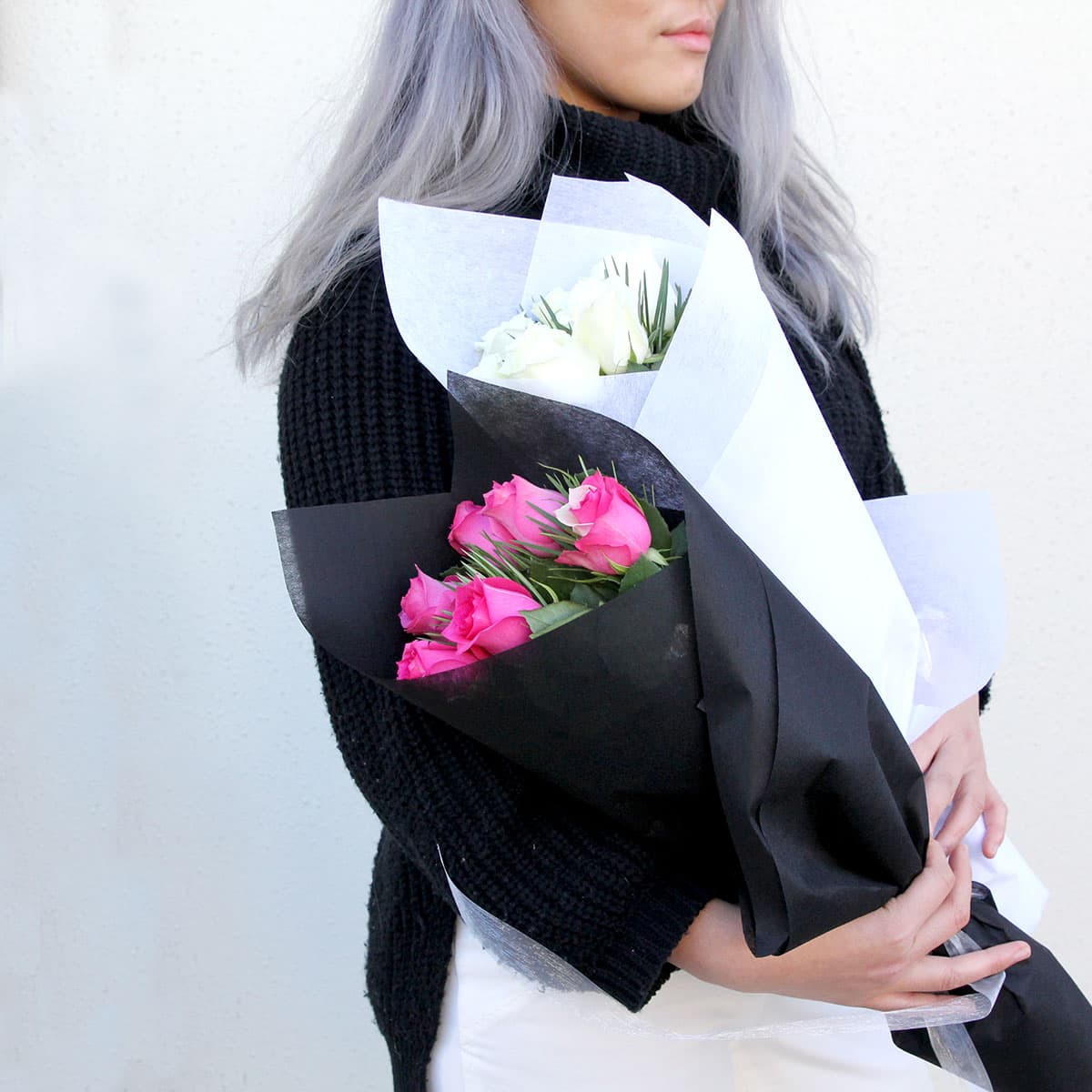
Hydrangeas
Big, showy hydrangea heads are mostly made of sterile florets that produce little pollen. They make an impressive, allergy-friendly centrepiece in blue, pink, white or green.
Orchids
Orchid pollen is packed into waxy clumps that don’t float in the air, so orchids are a great low-allergen option. A potted orchid also lasts for weeks, or even months, with very little care.
Tulips
Tulips have minimal pollen and almost no scent, which makes them a lovely spring choice for someone with hay fever.
Carnations
Carnations have so many ruffled petals that very little pollen escapes. They are long-lasting, affordable and come in a huge range of colours.
Snapdragons, Peonies and Lisianthus
These flowers are pollinated by insects and hold their pollen within the bloom. Peonies have a soft scent, so choose lightly fragrant varieties for very sensitive people.
Lilies With the Pollen Removed
Lilies are a mixed bag. Their large anthers carry plenty of pollen, so they are not ideal for allergy sufferers as they come. However, florists can remove the anthers as the flowers open, which takes away most of the pollen and stops it staining. If you choose lilies, ask for the anthers to be removed, and remember that lilies are highly toxic to cats.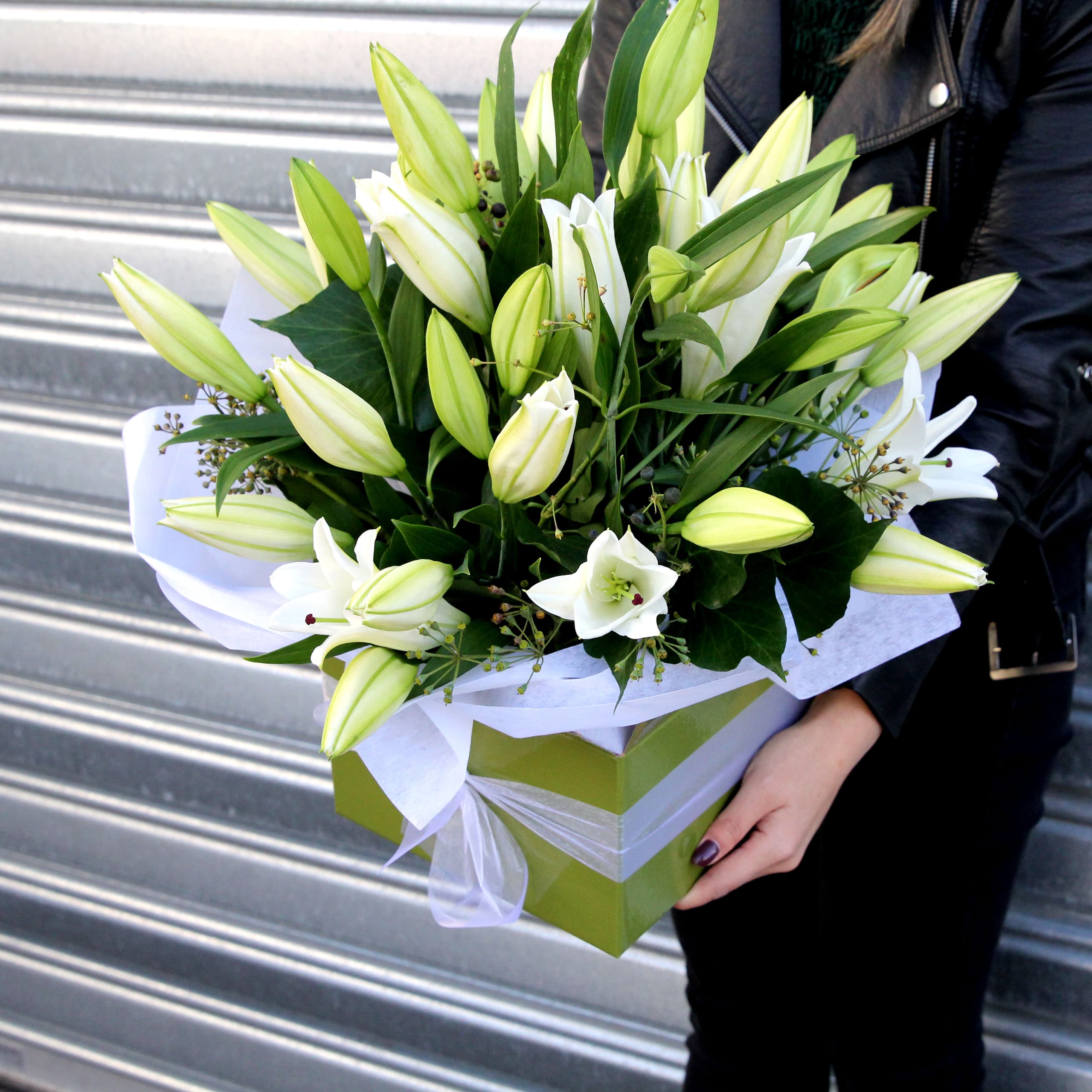
Flowers to Avoid If You Have Allergies
Daisies, chamomile and chrysanthemums: members of the daisy family release a lot of pollen.
Sunflowers: traditional sunflowers are high in pollen, though pollen-free varieties are available.
Baby’s breath (gypsophila): a common filler that can trigger symptoms.
Wattle and other wind-pollinated plants: best enjoyed outdoors rather than in a vase.
Heavily scented flowers: such as jasmine, freesias and stargazer lilies, which can irritate sensitive airways.
Tips for Sending Flowers to Someone With Allergies
Ask the florist for low-pollen flowers and pollen-free sunflower or lily varieties.
Choose greenery-rich designs with foliage such as eucalyptus, ferns and monstera.
Keep fragrance light, especially for hospital rooms and small spaces.
Change the vase water every couple of days to stop mould and bacteria building up.
Place flowers away from bedrooms and air vents.
Hay Fever Season in Australia
In most of southern Australia, hay fever peaks from late winter through spring and into early summer, when grasses, trees and weeds release the most pollen. Melbourne and Canberra are known for especially high grass pollen counts in spring, and thunderstorm asthma can follow hot, windy days with high pollen. In the warmer north, pollen seasons are longer and less predictable.
During peak season, someone with allergies is already dealing with a high pollen load outdoors, so a low-pollen bouquet inside the house is a thoughtful choice. If you are not sure how sensitive the recipient is, keep the arrangement small, choose closed or tightly petalled blooms and skip strongly scented fillers.
Allergy-Friendly Bouquet Ideas by Occasion
Birthdays: a mixed bunch of roses, carnations and snapdragons gives plenty of colour without much pollen.
Get well soon: a potted orchid or a small posy of tulips is easy to look after and gentle on the airways.
Anniversaries and romance: red or pink roses are classic and allergy-friendly.
Sympathy: white roses, hydrangeas and orchids create a calm, elegant tribute with little pollen.
Office and corporate gifts: leafy plants or succulents suit shared spaces where you don’t know everyone’s allergies.
Whatever the occasion, a quick note on the card order asking the florist to keep the design low-pollen is usually all it takes. Florists are used to the request and can swap out high-pollen stems for similar-looking alternatives.
Plants and Non-Floral Alternatives
If allergies are severe, a potted plant can be a better gift than cut flowers. Leafy plants such as peace lilies (with the flowers removed), pothos, ferns and succulents bring colour and life without much pollen. Browse our plants for long-lasting gift ideas.
Other pollen-free ideas include berry or gum nut bouquets, brooch bouquets made from vintage pieces, pinecone arrangements for a rustic look, and dried flowers that have been sealed or lightly sprayed to keep dust down.
Find Allergy-Friendly Flowers
Our florists can help you choose a low-pollen bouquet for any occasion. Browse our flowers by price and pick roses, orchids, hydrangeas or tulips for a gift that brightens their day without the sneezing. We deliver across Australia.