In short: to start beekeeping in Australia, register your hive with your state (even a single backyard hive), learn to check for varroa mite, buy a frame hive, safety gear and a nuc of bees in spring, and expect your first real honey harvest in the second season.
If you’re thinking of getting started with beekeeping, but don’t even know what you don’t know, then this is the guide for you.
Beekeeping can be a satisfying hobby for several reasons. Some really enjoy the process of creating their own bee colony then watching it grow and flourish. Just as a gardener enjoys watching their plants transform from tiny seeds.
Others get a kick out of earning some extra profit from a hobby, as opposed to pouring money into their hobbies. With organic, small-batch honey growing in popularity, there’s never been a better time to get into beekeeping if you’re looking for a hobby that allows you to generate some side income as well.
Another group of people really find it satisfying that they can help out the environment while pursuing their hobbies. Bees are a vital part of our ecosystem and if they’re under threat then all our crops are at risk, so by keeping your own bees you’re giving the environment a helping hand. At Flowers Across we’re all about flowers so we have a vested interest in keeping Australia’s flora as safe as possible, which is why we’re delighted to present this guide to you.
Regardless of your motivations for getting into beekeeping, you’ll find this is a great starting point for learning about the process from beginning to end. It’s not meant to be the only resource you’ll ever need, but we have found and linked to some extra resources towards the end of the guide if you decide that beekeeping is something you want to pursue.
Why Are Bees Important?
Most people learn that bees are pollinators early in life; you probably have an early memory of watching bees buzz around your backyard and hearing an explanation of why they’re collecting pollen from nearby plants and flowers. What you likely didn’t understand back then was how important this process is to each and every one of us.
Of the most common hundred crops that make up 90% of what we eat, 71 of these require bees for pollination. And it’s not just people who eat fruits, veggies and grains who need to thank bees; crops eaten by livestock are also pollinated by bees, so regardless of your diet you would be pretty hungry pretty quickly without bees.
Small birds and mammals also live off plants, so we’re not the only ones who have a vested interest in keeping bees numerous and healthy. 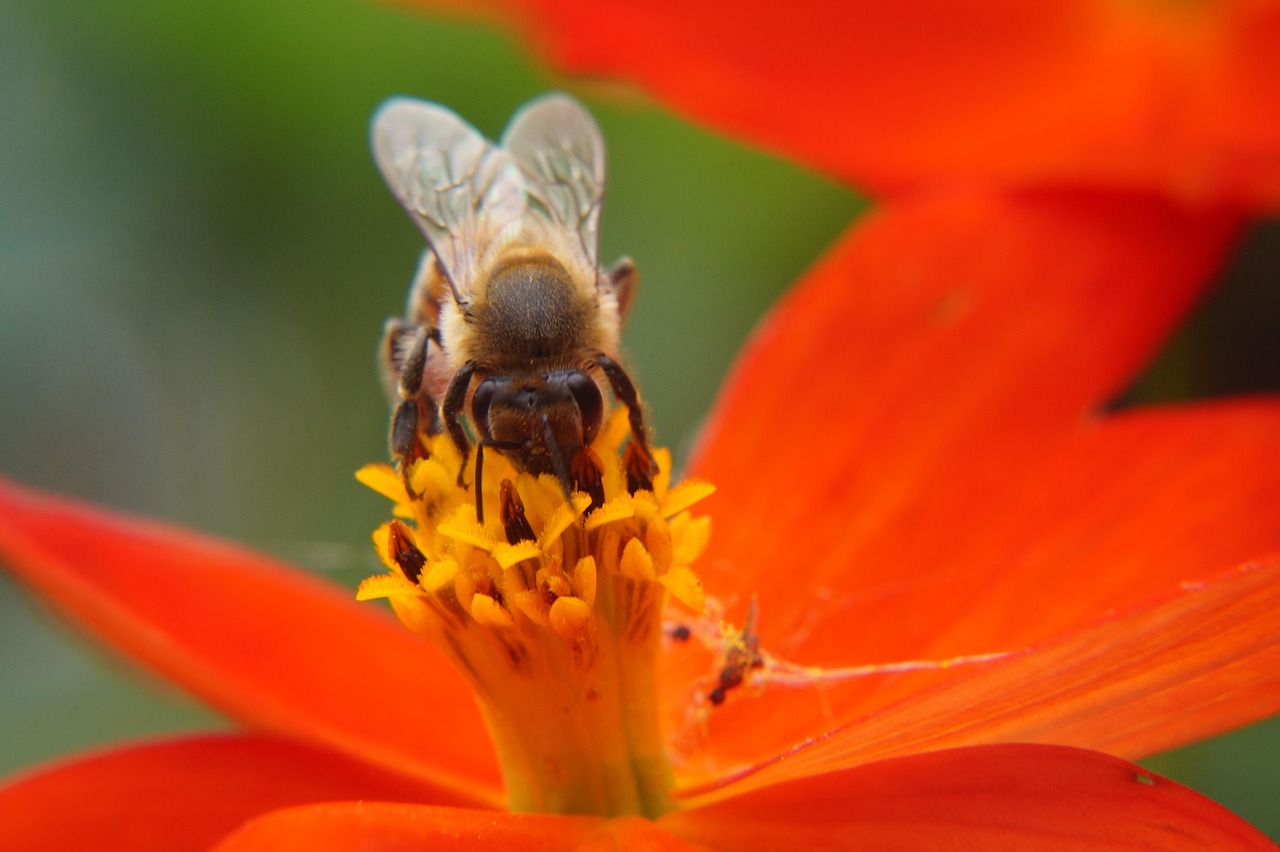
Image by Gerson Rodriguez from Pixabay
That said, it’s not as if bees exist just to help us out; they benefit from the process as well. Bees need flowers for food and the flowers need bees to reproduce, so both parties benefit from the relationship. Bees fly to flowers and in the process they get covered in pollen. Before a bee flies back to its hive it typically flies to several flowers (something you’ll see evidenced if you ever spend a little bit of time watching this process in person) and it’s this that enables the plants to sexually reproduce.
When a bee carrying pollen (the male part of the flower) lands on another flower, some of that pollen is deposited on the female parts of this next flower and reproduction is made possible.
When you consider that an active bee hive may be made up of 80,000 bees, with a good number of them taking part in the pollination process daily, you can see how much work a single hive can do on its own, which makes the problems facing bees worldwide seriously worrying.
Why Beekeeping Is Important
If you understand the mostly unseen role bees play in our lives, you’ll see how serious it would be if they disappeared. Beekeepers have always lost some colonies, but from around 2006, beekeepers in the US began reporting losses at double the usual rate, which became known as colony collapse disorder. Research points to several stressors acting together rather than one cause: the varroa mite and the viruses it spreads, poor nutrition, pesticides and some fungicides, and a changing climate that makes bees work harder for the same food.
On pesticides, the EU banned outdoor use of three neonicotinoids in 2018. In Australia, follow the bee-safety directions on the label and spray at dusk, when bees aren’t foraging. By keeping a healthy colony yourself, you help support Australia’s bee population.
Varroa mite on a honey bee pupa. Photo by Scott Bauer, USDA, on Wikimedia Commons, (Public domain)

Varroa Mite in Australia
Varroa mite was detected at the Port of Newcastle in June 2022. Eradication ended in September 2023, and it is now established in NSW, Victoria, Queensland, South Australia and the ACT. Beekeepers in those areas must monitor and treat their hives; check your state’s rules. Miticide-resistant mites were confirmed in 2026, so rotate treatments as advised. Report suspected varroa in WA, Tas or NT to the Exotic Plant Pest Hotline (1800 084 881).
For the latest situation, see Outbreak.gov.au and Agriculture Victoria.
Register Your Hives (Every State)
Every state and territory requires honey bee hives to be registered, even a single backyard hive. Registration lets biosecurity officers trace hives quickly during a pest or disease outbreak, which matters more than ever with varroa now established.
New South Wales
In NSW you register through NSW DPIRD’s BFS Portal (or via Service NSW). Registration lasts 2 years. For 2026–27 the fee is $60 for recreational beekeepers and $40 for concession holders, with 10% off online ($54 and $36). You must display your registration number on your hives, use hives with removable frames so they can be inspected, and follow the Australian Honey Bee Industry Biosecurity Code of Practice.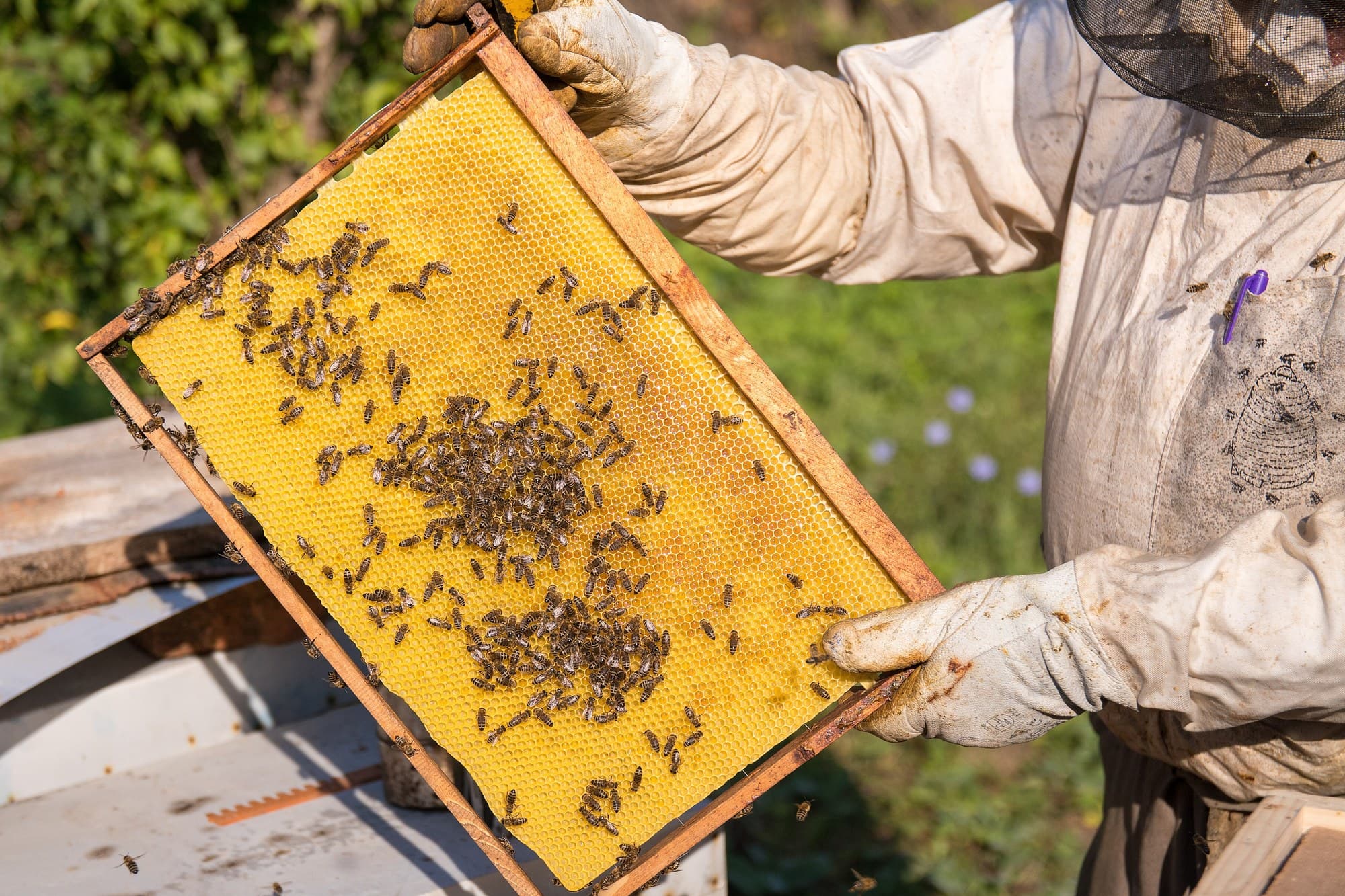
Photo by Ivan Radic on Wikimedia Commons, CC BY 2.0, cropped

As a beekeeper, you are responsible for your hives. You need to check them for pests and disease and report notifiable ones, keep records of hive movements, and notify the department when you sell or dispose of hives. You also need to make sure your bees don’t disturb your neighbours.
Other States and Territories
- Victoria:register with Agriculture Victoria if you keep one or more hives.
- Queensland: register as a biosecurity entity and display your hive identification number.
- South Australia:PIRSA beekeeper registration is required for any hive.
- Western Australia:register with DPIRD, whatever the number or type of hives.
- Tasmania:registration is compulsory through NRE Tas.
- ACT and NT: registration is also required; check your territory government’s website.
Fees and rules change, so check your state’s page before you buy bees. If you move interstate, check the rules first, because not every state allows hives or used equipment to cross the border.
Bee Basics
Before we jump into the nitty gritty of beekeeping it’s important to have a basic understanding of how bees work. If you’re already familiar with bees and how their colonies work, feel free to skip this section, but if you don’t know the difference between worker bees and drones, or the process by which a new queen rules over a colony, then read on.
Bees are flying insects known for pollination and feed on the nectar and pollen of flowers. Despite the common image of bees living in hives as part of a large colony, many species of bees are actually solitary. It’s not surprising that you don’t know about all the different sorts of bees because the ones we know of add up to almost 20,000.
That said, the one we’re going to focus on in this article (and the one you’re probably most familiar with) is the European honey bee. This species does live in a hive with lots of other bees and within the colony exist a few different castes of bee; each with a different role to play in the survival of the colony.
Queens are often numbered to help you identify them
Worker bees are the ones we’re most familiar with because they’re the ones who leave the hive and fly from flower to flower gathering pollen. They also do a lot of the work inside the hive such as building the comb. If a hive is threatened, it’s the worker bees who go on the attack. A hive can range from 10,000 bees to 60,000 and beyond and the worker bees make up the majority of the bees within a colony.
Drones are slightly larger than worker bees, but are smaller than the queen. They do little work themselves and are fed by the efforts of the worker bees. Their main job is to mate with the queen and make more bees for the hive. Before you become envious of their lifestyle, however, realise that there are several hundred drones in a colony and most of them never get to mate with the queen. The few that do die right afterwards and the remainder live out the rest of their lives (about three months) presumably playing computer games in the basement of the hive.
Colonies also reproduce and do so through swarming. When a colony reaches a certain size and has an abundance of food, a hive will create more queens. The old queen and many of the workers leave in a swarm and find a new location to create a new hive. Eventually these new queens begin to emerge from their cells and hold a Hunger Games style contest to see who will be the new queen of the hive. If one queen emerges before her sisters, she will kill them before they can emerge and challenge her themselves.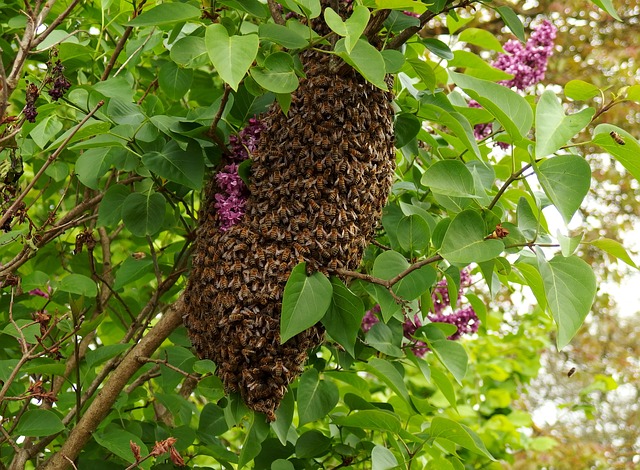
Image by rbu rbu from Pixabay
This new queen must then begin the process of repopulating the hive. She lays unfertilised eggs that will turn into drones, but needs a mate to produce female workers. So once the drones have hatched, the queen takes “mating flights” out of the hive with several drones, then returns to the hive where she lays the fertilised eggs. Once the workers hatch they get to work and the cycle continues.
The Six Things You Need to Start Beekeeping
If you’re thinking of getting into beekeeping then you probably want to know what you need to begin. We’ve broken it up into six main parts, each of which are necessary to get started with your new hobby.
The first thing you’ll need is some know-how. Beekeeping, like any hobby, requires a lot of specific knowledge in order to be successful. And since you’re dealing with living creatures that have the potential to harm you and others, developing this know how is particularly important. This guide should act as a good first step to get started and we’ve provided links to extra resources at the end of the guide to help you learn everything else that you’ll need to know.
Second, you’ll need to have some time available to dedicate to beekeeping. While it’s not as time consuming as other hobbies, neither does it require as much time as many people believe. Getting your hive started obviously requires quite a lot of time; but once it’s up and running, you can probably get by with a minimum of a couple of hours per week of maintenance. Harvesting your honey at the end of the season is another activity that takes some time, but overall, if you have a few hours a week to spend on beekeeping then you probably have enough.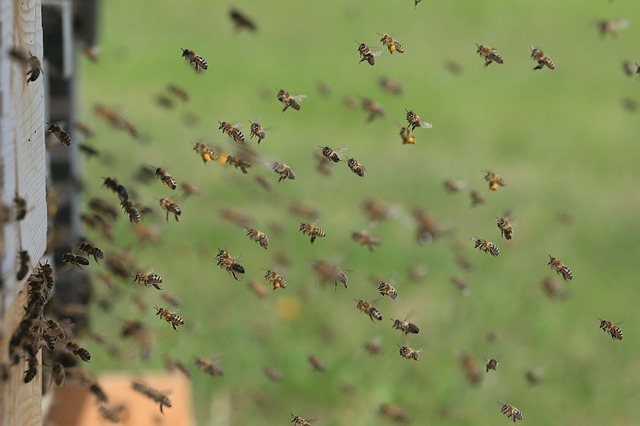
Third, you’ll want to have the right amount of space for your hive. While having a large area to keep your hive in is a luxury, it’s not a necessity; many beekeepers successfully keep bees in regular sized backyards. The main problem with a small space isn’t that it bothers the bees, but your neighbours. You are required by law to move the hive if it bothers people living near you, so this is a consideration.
If your neighbours are cranky and you have a poor relationship with them, they could make life hard for you. Keeping the hive as high as possible tends to alleviate some of these problems because the higher the bees are the less likely they are to bump into humans. Some neighbours will be far more receptive to your new hobby if they receive some fresh honey at the end of each season, so consider being generous with your honey once you’re done harvesting.
Fourth, you’ll, unsurprisingly, need some bees. You can collect a swarm yourself or take over a second hand hive, but if you’re getting started, then buying some bees will be the easier way to go about it. We’ll cover where to get bees, what options are available to you and how much they will cost a little further on in the guide.
Fifth, you will need a hive to keep these bees in. There are several options available and which option is best for you will be covered later in this guide. Getting your hands on a hive (or building your own if you’re handy) does incur some cost, but you cannot avoid it if you want to become a beekeeper.
Sixth, you’ll need some special equipment to help you in your beekeeping activities. Some equipment is there to keep you safe, while others help you perform regular beekeeping tasks such as inspecting your hive. Again, this topic will have an entire section dedicated to it later in the guide.
Keeping Safe When Beekeeping
It would have been nice to be able to call this section “How to Avoid Being Stung By Bees”, but unfortunately, if you handle bees, sooner or later you’re going to get stung. Instead, this section will help you make stings a rarity rather than something that happens all the time.
When it comes to bee stings, there’s some good news and some bad news; the good news is that for most people, a bee sting just involves some pain. According to people who have been stung frequently, the first few stings are the worst and the pain becomes less severe over time. However, a small percentage of people have a severe allergic reaction (anaphylaxis) to bee stings. If you’ve never been stung before, always have someone with you when handling bees. Anaphylaxis is a medical emergency: call 000.
When trying to avoid being stung, the best approach is two pronged; first you need to keep the bees’ stress levels as low as possible so they don’t want to sting you. Second, wear the right equipment so that when some bees want to sting you (and this is unavoidable) they aren’t successful.
Bees have evolved to be protective of their hive. This makes sense since they have natural predators and are more likely to survive if they are able to attack would be predators. In their native range, honey bees evolved alongside hive-raiding mammals such as bears, so they’re very sensitive to signals that a predator is near.
Bees are more likely to attack in response to:
Dark objects
Furry objects
Carbon dioxide
This is why all the bee suits you see are white. It has nothing to do with fashion and all to do with being a colour that is least offensive to bees. It is also why bee suits are made of smooth vinyl rather than something rough and furry.
To reduce the likelihood of bee stings it’s also a really good idea to use a smoker. Before people started keeping bees themselves, bees lived mostly in trees. In order to avoid being burnt alive when the tree was on fire, bees would gorge themselves on their honey to prepare for moving to a new, safer location that wasn’t on fire. When bees are full of honey they’re less aggressive; think about how you feel after Christmas lunch.
Click here for a good guide to using a smoker to keep bees placid.
If you do all this then your bees will be less likely to sting you, but some will still go on the attack, so it’s important that you wear the right equipment to protect you for when they do. You’ll often see experienced beekeepers wearing nothing but a veil; this is not recommended as a beginner for two reasons.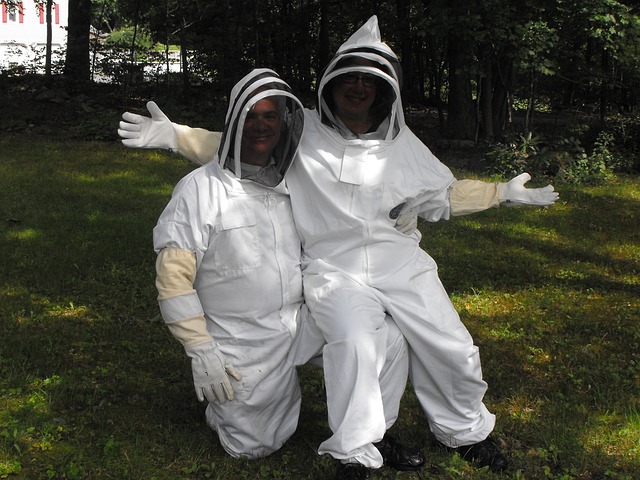
Image by Marlene Giardini from Pixabay
First, because you don’t have the experience to understand when bees are likely to sting and when they’re not. This is something that comes with time. Second, when you’re getting started, you want to be confident when handling bees. You don’t want to be full of anxiety and so worried about being stung that you can’t gain the experience you need. So when you’re new to beekeeping, you’ll want to wear full personal protective equipment (PPE).
The first piece of kit you’ll want to use is the veil. Next, you’ll want to get your hands on a pair of gloves to prevent bees from flying up your sleeves. Finally, you will want to use a bee suit that stops the rest of your body from being stung. If you wear all your equipment consistently you should be able to reduce the number of stings to a minimum.
Where to Get Bees
Once you’ve decided to get started with beekeeping, one thing you’ll definitely need to get your hands on are some bees. Because this isn’t as simple as going to a store and picking them up whenever you want, it’s something to consider early in your journey.
It’s easiest to get hold of some bees in Spring or early Summer. This time of year also makes it easy for the colony to build up and survive. It’s possible to do it at other times of the year, but when you’re getting started, it’s probably best to play it safe. It’s also a good idea to order your bees as early as possible. Because demand for bees tends to peak at around the same time every year, if you want to make it easy to get some bees and avoid missing out, then order a few months in advance.
When ordering bees you have a few different options to choose from. The most common ways to purchase bees are in nucs (pronounced ‘nukes’) or packages. Some people take over old colonies, others try and trap wild swarms, but when you’re getting started you want to keep things simple and hassle free.
A nuc contains a queen along with some bees to kickstart your hive. They come in a temporary hive with frames inside and are an easier way of getting started since you’re ready to go. The downside is that they tend to be a little more expensive.
Package bees are more straightforward; you just get a bunch of bees in a box. When you build a hive using package bees, it can take longer to get going because of the time it takes to build new comb and hatch new bees.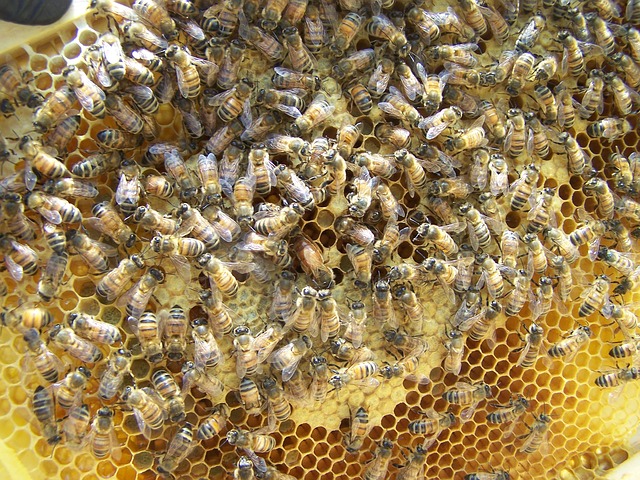
Image by maxgrafix from Pixabay
Where to Buy Bees
Fortunately there are a number of reputable vendors in NSW from which to buy your bees. Some of the better ones we’ve found are listed below, but there are plenty more out there:
How much do bees cost?
Expect to pay a few hundred dollars for a nuc, with package bees usually a little cheaper (check current prices). Which option suits you depends on your circumstances: package bees are cheaper, but a nuc makes life easier. Your local beekeeping association can also point you to reputable local suppliers.
How to Select Your Hive
After you have organised some bees, you need to sort out a place for them to call home. When it comes to selecting your hive there are several options to choose from, each with their own set of pros and cons. In this section we’ll walk you through some of the more popular ones and help you figure out which one is right for you.
The Langstroth hive is the most common type of hive and it’s probably what comes to mind when you think of a bee hive. Frames slide into the hive and each frame has hexagonal wax moulds that the bees can then use to build their own comb on top of. The hive has a cover over the top and bees enter from a small gap in the bottom. One advantage to the Langstroth hive is that bees don’t need to build comb from scratch, which is handy because it takes 8 kilograms of honey to create 1 kilogram of wax.
There are a couple of downsides to the Langstroth hive, however. First, it can be heavy when it comes time to harvest the honey. If you’re on the small side or not in great shape, this can make harvesting more work that it has to be. Second, you can’t see inside the hive unless you take it apart, so if you want to watch your bees do their thing you won’t be able to get much of a view with this sort of hive.
A Langstroth hive in action
Another sort of hive is the top bar. This type of hive consists of a trough with a bar sitting across the top. Bees begin to build comb from the top bar and work their way down. One advantage to this type of hive is that it doesn’t require any heavy lifting. The downsides are that it does require more frequent inspections and generally produces less honey than the Langstroth hive.
Photo by Maja Dumat from Deutschland (Germany) on Wikimedia Commons, CC BY 2.0, cropped

The third type of hive to consider is the Warre hive. This is somewhat of a compromise in design and because it’s more akin to a natural hive, it requires less maintenance. It also allows you to more easily see what’s going on inside the hive, so if you are curious then this is definitely a benefit. Warre hives can be some of the more expensive ones however, so your budget needs to be taken into account.
There’s no hive that’s right for everyone, so it really depends on you and your personal preferences. If you’re still feeling a little unsure, the team over at Bee Built have come up with a handy graphic to help you figure out which hive is right for you.
And just because we’ve listed the three most popular types of hives doesn’t mean that we’ve exhausted the different types of hives that exist. If you feel a little unconventional, feel free to research Beehaus, British Standard National or William Broughton-Carr hives. You never know, one of them might suit you more than the conventional types.
Ongoing Hive Care Through the Seasons
Once your hive is up and running there are a few tasks you need to perform on a regular basis to ensure that your hive stays healthy. Your job as the beekeeper is to maintain the health of the hive, watch out for disease and prevent swarming.
The end of Winter or beginning of Spring can be a tricky time for the hive. This is when the brood is expanding and the hive requires honey to meet the demands of the new members of the hive. If nectar flow slows down low enough, the colony could starve and die out. To prevent this from happening, some beekeepers feed their hives sugar water. The NSW Department of Primary Industries has created a great PDF guide that you can download for free.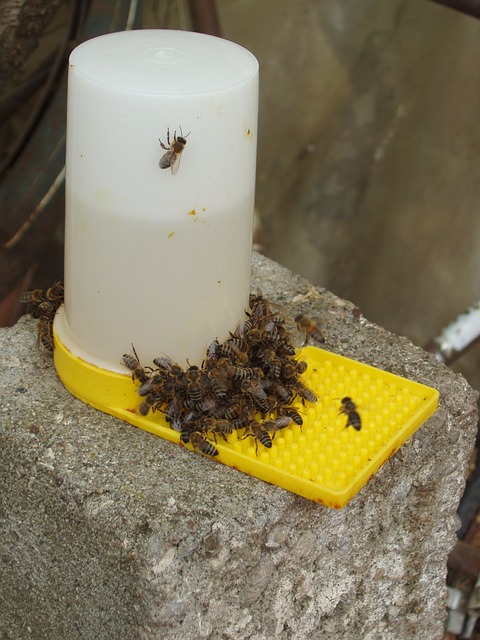
As the colony expands, you need to monitor its growth. If you feel that the colony is growing too fast, you may need to add a super to your hive to prevent the bees from swarming. Your local association can show you how to do this.
If you fail to add a super in time, the colony could swarm; leaving you with only half a colony left. Swarming bees are a problem at the moment because many beekeepers are inexperienced and this is not only bad for you, but it can also cause quite the public hazard. As people in Sydney found out in 2017, recently found out when a swarm latched onto a motorbike and formed a ‘giant cloud’ that was three stories high.
To perform these tasks, you will need some special equipment called a hive tool. This allows you to more easily manipulate parts of the hive and do the tasks you need to do. There are a couple of different types of hive tools to use with the most common two being the hook-end and the American style. Either one will work for you, so it’s probably best to buy whichever one is easier to get your hands on, which in Australia tends to be the hook-end tool.
Harvesting the Honey
The final step in the beekeeping cycle is the one that you’ve probably been looking forward to the most. It’s probably also the main reason you wanted to get into beekeeping to begin with! The actual process can get a little complicated, so we’re not going to provide specific, detailed instructions for how to get the honey from hive to jar. Instead, we’ve gone and found some of the better guides on how to do this:
Hobby Farms Guide to Harvesting Honey
Dadant Beekeeping’s Video Guide to Harvesting Honey
Before you go and learn the specifics of how to harvest your own honey, it’s probably a good idea to set some expectations. The first year you harvest honey you probably shouldn’t expect too much. It takes bees eight kilograms of honey to build up one kilogram of wax, so the first honey they make will be used in the construction of the comb. Once your hive is more mature you can expect a healthy yield of honey.
How much honey can you expect from one hive? It varies widely with the season, the strength of the colony and the forage nearby. Backyard hives often produce somewhere between 20 and 45 kg in a good year, and some seasons much less.
If you plan to sell honey, check local farmers’ market prices and your state’s food safety and labelling rules first. Adding another hive is only a little more work once you’re experienced.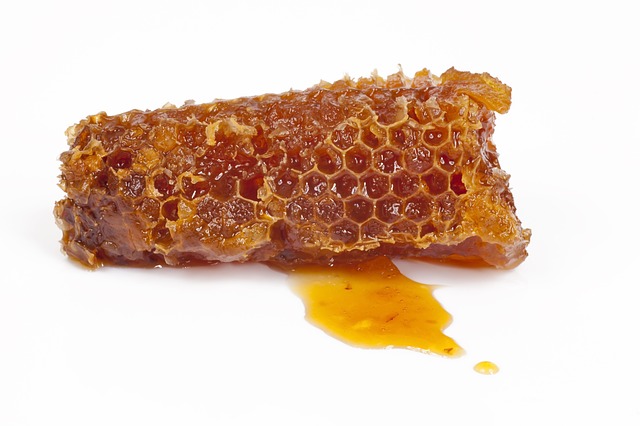
Image by Mel Gama from Pixabay
Additional Resources
This guide is a starting point. To learn more, download AgriFutures’ free Australian Beekeeping Guide (142 pages), and read about pests and biosecurity at BeeAware, including the Australian Honey Bee Industry Biosecurity Code of Practice.
Australian Beekeeping Associations
Joining a local association is a great way to meet fellow beekeepers, find a mentor and learn more about the hobby.
NSW
- Amateur Beekeepers Association NSW
- NSW Apiarists’ Association
- North Shore Beekeepers Association
- Central Coast Amateur Beekeepers
VIC
QLD
SA
WA
TAS
Getting Started: Your First Season
Register your hive, join a local association, buy your gear and a nuc in spring, and check your bees regularly for varroa and disease. Don’t expect much honey in the first year, because the colony needs it to build comb.
If beekeeping isn’t for you but you still want to help bees, read about the best flowers for bees, flowers honeybees love, native bees vs introduced bees and the honeybee, or build your own bee hotel. You can also plant bee-friendly flowering plants in your garden or on your balcony.