In short: hibiscus are easy-care flowering shrubs that love sun, regular water and feeding in the warm months. Tropical hibiscus need a frost-free spot or a pot you can move; hardy types cope with cooler areas. Australia also has its own native hibiscus. ASPCA lists hibiscus as non-toxic to cats and dogs.
The hibiscus plant is a flowering plant with hundreds of species that are native to locations all over the world. Leaving it at that would be selling the humble hibiscus short, however.
For thousands of years, hibiscus has been popular with people all over the world for several reasons. Some like its ornamental uses in the garden, some drink it as tea and others even make rope from it.
Even today, hibiscus tea is very popular all around the world. And despite its popularity, there are some people who should take care in consuming it.
Hibiscus are perennials, meaning that they last for several years. They’re also quite hardy plants, so they can survive with minimal maintenance, which is one reason why they’re so popular with gardeners the world over.
Whether you want to grow hibiscus in a pot on the balcony or a hedge in the garden, this guide covers the main types, how to grow them in Australia, pests, pet safety and hibiscus tea.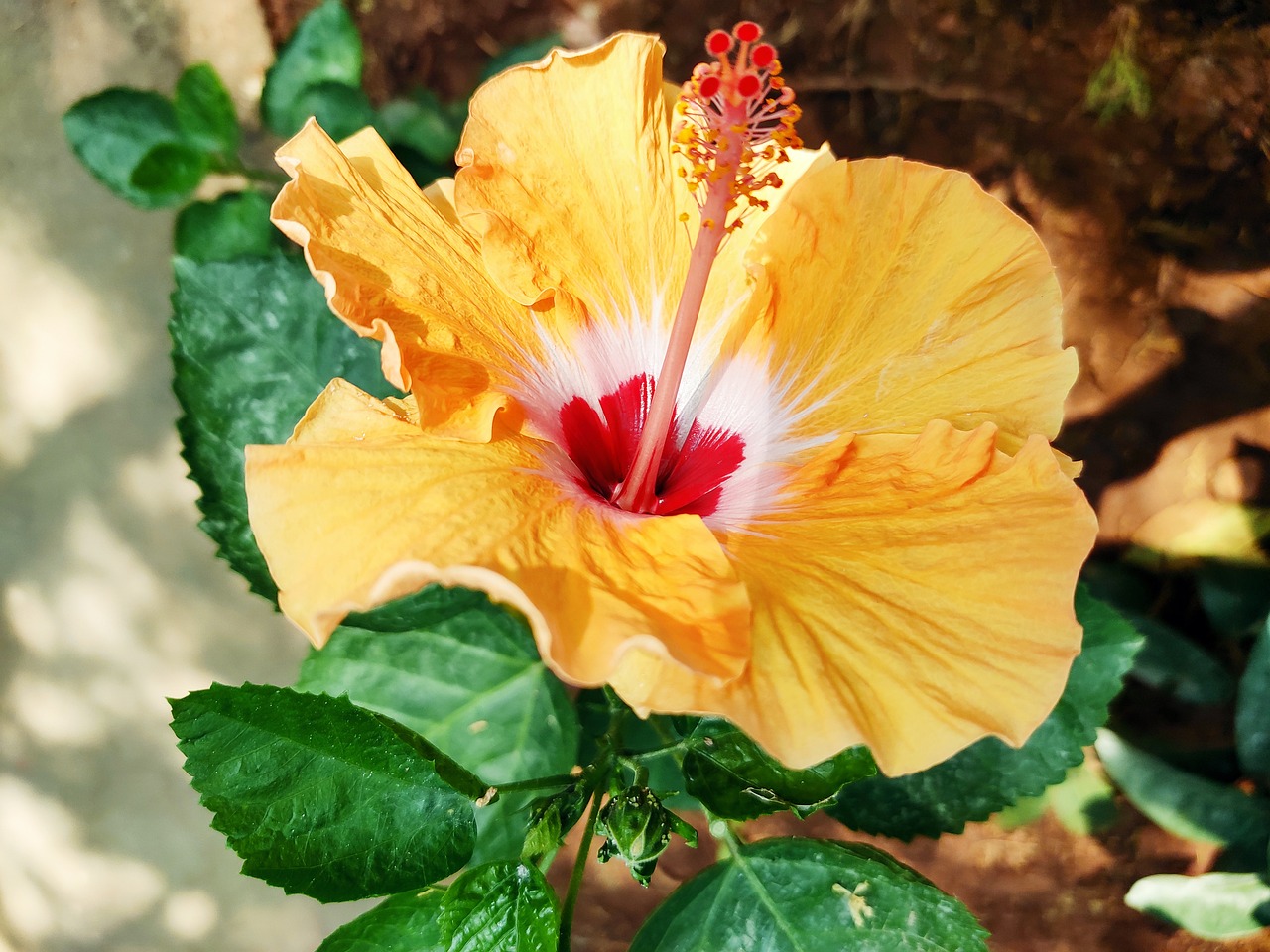
Image by Suresh Babu Guddanti (Guddanti) from Pixabay
Varieties and Types of Hibiscus
Hibiscus is a genus that belongs to the family Malvaceae with several hundred different species recorded. If you’d like to see a large list of these species, Wikipedia is the place for you.
If you’re like most people though, you probably just care about the main few types of hibiscus. Below we’ve listed out a few of the more popular and common types.
Image by Marc Pascual (makamuki0) from Pixabay
The most common type, and the one you probably picture when you think about hibiscus, is Hibiscus syriacus, also called Rose of Sharon. It’s native to China but was named after Syria, where it was later cultivated.
Image by Mike Goad (MikeGoad) from Pixabay
Hibiscus moscheutos, the swamp rose-mallow, is another popular hibiscus. It comes from North America, where it grows around wetlands. As well as being a popular garden plant, it’s a favourite with bees, who use it for nectar.
Image by Bishnu Sarangi (sarangib) from Pixabay
Hibiscus tiliaceus, the beach hibiscus or cottonwood, is another popular variety. It’s native to Australia and other parts of tropical Asia and the Pacific.
This tends to be larger than some of the other varieties we’ve mentioned above, with sizes ranging from 4-10 metres in height.
While the flowers are often yellow upon opening (see the above picture), the flowers change colour to orange and red before finally falling to the ground.
Image by varun_saa from Pixabay
Hibiscus rosa-sinensis, also known as the Chinese hibiscus, is a tropical hibiscus native to East Asia. It’s a bushy shrub growing in size from around three to five metres.
It’s the national flower of Malaysia, where it’s known as Bunga Raya, while Hibiscus syriacus is the national flower of South Korea.
Native Australian Hibiscus

Photo by Krzysztof Ziarnek, Kenraiz on Wikimedia Commons, CC BY-SA 4.0, cropped

Australia has its own hibiscus and close relatives, and they’re great choices for a native garden:
Native lilac hibiscus (Alyogyne huegelii): a tough, drought-tolerant shrub from southern and western Australia with large lilac-blue flowers.
Cottonwood or beach hibiscus (Hibiscus tiliaceus): a coastal tree with yellow flowers that age to orange and red.
Hollyhock tree (Hibiscus splendens): a tall shrub from Queensland and New South Wales with big pink flowers.
Native rosella (Hibiscus heterophyllus): an east-coast shrub with white, pink or yellow flowers with dark centres.
How to Grow Hibiscus in Australia
Hibiscus plants tend to have large, bright, flowers so it’s not a surprise that they’re popular in gardens all over the world.
They also have the added benefit of attracting birds and bees, so there are plenty of reasons to add them to your garden.
While there are hundreds of species of hibiscus, they tend to fall into three main categories:
Tropical hibiscus
Hardy Perennial hibiscus
Hardy Shrub hibiscus
How to Grow Tropical Hibiscus
Chinese hibiscus, featured above, is a tropical hibiscus. As the name suggests, tropical hibiscus grow best in warm climates and won’t tolerate frost.
Tropical hibiscus suits frost-free areas (coastal Queensland, northern NSW, the Top End); in Sydney grow it in a warm, sheltered spot; in Melbourne and Canberra, use pots you can shelter in winter. To check your local climate, see the Australian National Botanic Gardens’ plant hardiness zones for Australia.
When it comes to light, tropical hibiscus love lots of it. Place them somewhere in your garden where they’ll get as much as possible.
These hibiscus also thrive on regular fertilisation, so if you’re going to grow tropicals in your garden, use a balanced NPK fertiliser.
How to Grow Hardy Perennial Hibiscus
Hibiscus moscheutos, featured above, is a hardy perennial hibiscus. These cope with cold well, so you can grow them just about anywhere in Australia.
They love plenty of sun, so make sure you plant them somewhere that gets plenty of light.
Since these are often known as wetland plants, it won’t come as a surprise to learn that these plants love lots of water. Especially in summer, do what you can to keep their soil moist.
Using fertiliser is also a good idea when trying to grow hardy perennial hibiscus.
How to Grow Hardy Shrub Hibiscus
Hibiscus syriacus, featured above, is a hardy shrub hibiscus. These prefer temperate climates to the tropics, so they grow well in most southern cities but struggle in the far north.
That said, they are hardy plants, so if you are able to grow them, they’re usually pretty hard to kill.
They like lots of sun and when it comes to soil and fertiliser requirements, you can get away with a lot, so don’t stress too much.
Growing Hibiscus in Pots
Hibiscus grow well in large pots with good drainage and a quality potting mix. Pots let you move tropical types under cover in winter, and plants grown indoors will flower, though usually with smaller blooms. Water when the top few centimetres of mix are dry.
Summer Care
In summer, water deeply rather than often, so roots grow down, and keep a layer of mulch over the soil to hold in moisture. Feed every few weeks through the warm months with a fertiliser for flowering plants. Yellow leaves usually mean too much or too little water or light.
When to Prune Hibiscus
Prune in late winter to early spring, once the risk of frost has passed. Cut back by up to a third to keep plants bushy, as hibiscus flower on new growth.
Dealing with Pests

Image by FRANCO PATRIZIA (francok35) from Pixabay
As with many other types of plants such as orchids, humans aren’t the only creatures on planet Earth that enjoy hibiscus.
If you plan on growing hibiscus then you’ll need to learn the signs of pest infestation as well as how to rid your plants of them if they do appear. You can also use certain plants to attract and deal with pests.
The three most common pests for hibiscus plants are aphids, thrips and mealybugs.
Aphids: These are tiny little pests that appear in clusters and suck the juice from the foliage. You can get rid of aphids on your hibiscus with horticultural oil or insecticidal soap.
Mealybugs: These pests also suck the juice from your plants, leaving them worse for wear. You can get rid of them with horticultural oil or insecticidal soap as mentioned above.
Thrips: These tiny pests lay eggs inside hibiscus buds and can cause the buds to drop off completely. Because the infestation happens inside, the best method for ridding your hibiscus of thrips is to use horticultural oil.
Is Hibiscus Safe for Pets?
ASPCA lists hibiscus (Hibiscus syriacus, Rose of Sharon) as non-toxic to dogs, cats and horses. Eating a lot of any plant can upset a stomach; call your vet or the Animal Poisons Helpline (1300 869 738) if worried.
Some popular garden and gift flowers are dangerous, though. Lilies, for example, are deadly to cats. For safer choices, see our 15 pet-safe flowers for cats and dogs.
Other Uses for Hibiscus
So far we’ve had a good look at how to grow hibiscus, but did you know there are lots of other ways to use hibiscus?
How to Make Hibiscus Tea
To start with you’ll need to get your hands on some fresh hibiscus flowers. About two cups worth will do the job. Add to two litres of water and bring to a boil. Once the mix begins to boil, remove it from the heat and cover it.
Let the tea set for 15-20 minutes and then either serve it hot or add some ice cubes and serve it cool. As well as tasting pretty good it has a brilliant red tint to it.
Things to Be Aware Of
Pregnancy: hibiscus tea is often advised against during pregnancy or when trying to conceive, so check with your doctor first.
Blood pressure: some studies suggest drinking hibiscus tea regularly for several weeks may lower blood pressure, but the evidence is still limited.
Medication: hibiscus may interact with some medicines, so talk to your doctor or pharmacist if you take medication (see RxList).
Using Hibiscus Plants to Make Rope
Hibiscus isn’t just for those who like gardening or drinking herbal tea; there are also some practical benefits. Some people have been known to use the hibiscus plant to make rope ; this video shows how:
Source: Youtube
Grow Your Own
Hibiscus are one of the easiest ways to bring a tropical feel to an Aussie garden or balcony. Looking for a living gift? Browse our plants, or see our guide to flowers for bees for more garden ideas.